

Whole House Rewiring Services in Fresno, CA
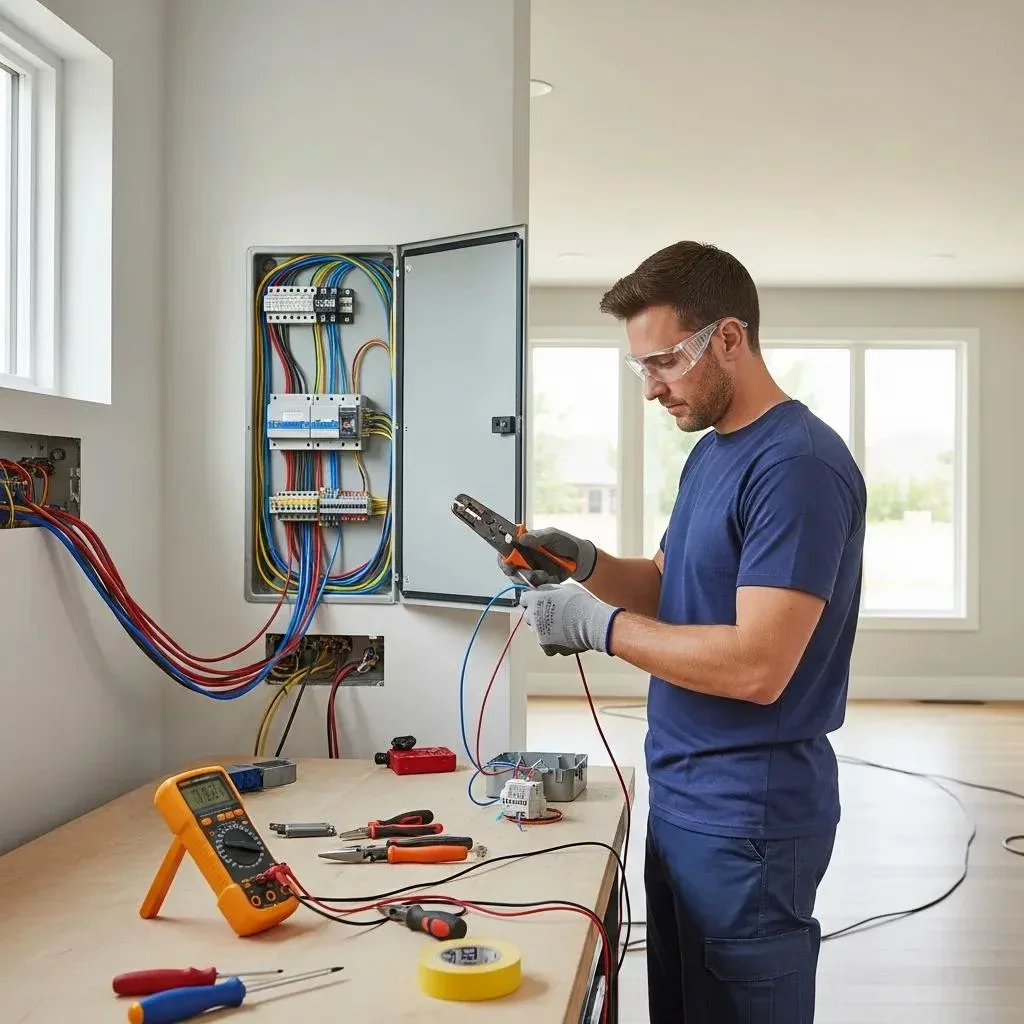
Whole-House Rewiring in Fresno, CA — A Practical Guide to Updating Your Home’s Electrical System
Whole-house rewiring means replacing a home’s wiring, outlets, switches and often the main service panel so the system is safe and sized for today’s needs in Fresno, CA. This guide walks homeowners through why a full rewire improves safety, brings older homes into alignment with the National Electrical Code (NEC) and NFPA guidance, and prepares properties for modern demands like EV chargers, electric cooktops, and new HVAC systems. You’ll learn how to spot warning signs, recognize legacy wiring that usually needs replacing, follow the typical rewiring steps, estimate costs, and evaluate local contractors. We cover symptoms such as flickering lights and warm outlets, compare knob‑and‑tube and aluminum wiring to modern copper systems, and give a clear, step‑by‑step view of permits, inspections, and getting transparent estimates. Finally, we explain why hiring a licensed local electrician matters for safety and code compliance.
How to Tell if Your Fresno Home Needs a Full Rewire
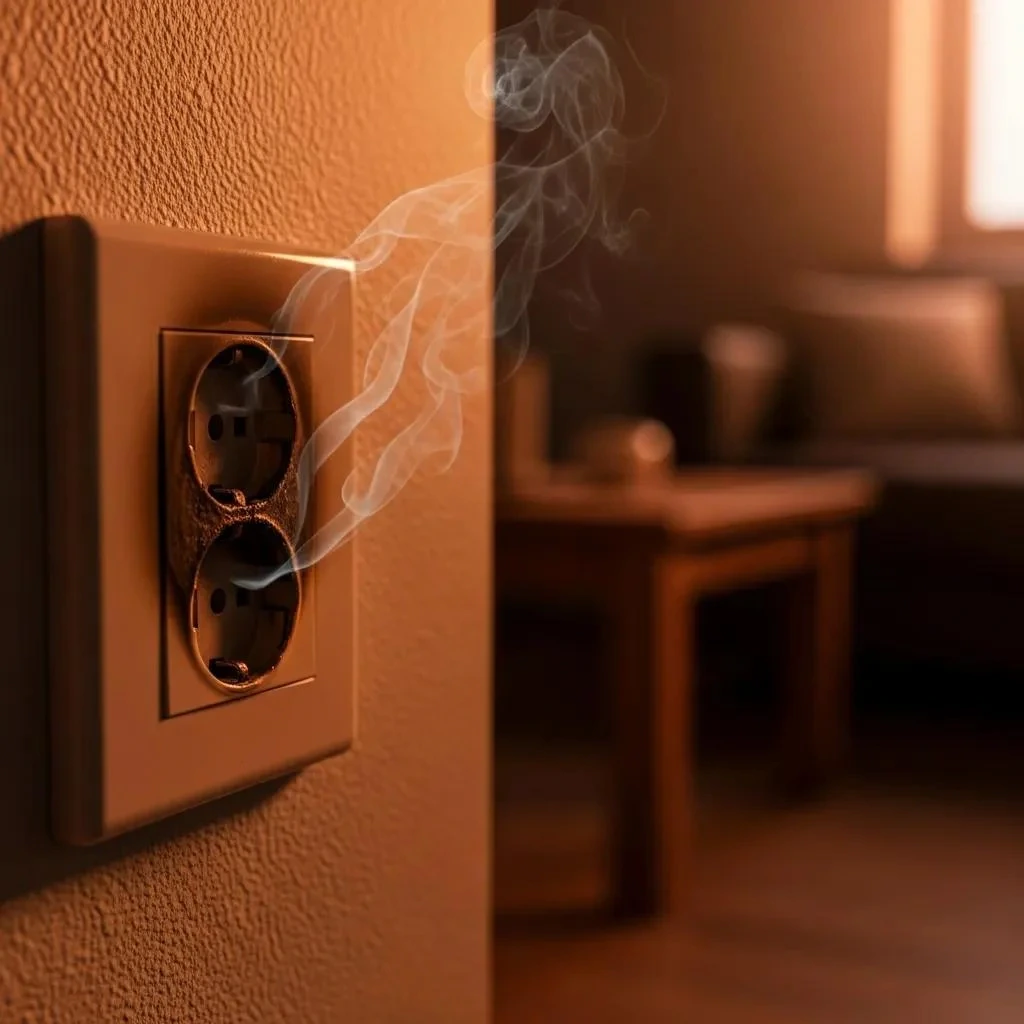
A whole‑house rewire is usually necessary when the existing electrical system can’t safely handle modern loads or meet current code requirements. Older wiring can show capacity limits, failing insulation, or a lack of essential safety devices like grounding, AFCI, and GFCI protection. Rewiring reduces fire risk and lets you increase service capacity. Below are the most common, visible signs that your Fresno home should get a professional electrical safety check, with quick notes on what each symptom typically means and what to do next.
- Frequent breaker trips or blown fuses: Repeated trips often point to overloaded circuits or aging wiring that can overheat.
- Flickering or dimming lights: Intermittent voltage drops or loose connections may mean failing conductors or an undersized service.
- Warm or discolored outlets, or a persistent burning smell: Heat and odors can signal arcing or insulation failure and require immediate attention.
- Visible cloth insulation, knob‑and‑tube, or aluminum wiring: These older systems usually lack grounding and don’t work well with modern devices.
- Homes built before 1980 or with unpermitted additions: Older construction and DIY electrical work increase the chance of unsafe wiring.
If you see any of these signs, schedule an electrical safety inspection right away. A professional assessment will identify whether repairs or a full rewire are the safest path forward.
Why Do Flickering Lights and Repeated Breaker Trips Point to Old or Unsafe Wiring?
Flickering lights and frequent breaker trips often happen when circuits are overloaded, connections are loose, or neutral conductors are failing—conditions that cause voltage swings and extra heat in conductors. Overloads occur when appliance demand exceeds a circuit’s ampacity or when several high‑draw devices share the same breaker. Pay attention to the pattern—if trips happen only when a specific appliance runs, that points to an overloaded branch; if trips are random, the main service or neutral could be the issue. Because loose connections and arcing create fire hazards, a licensed electrician should test continuity, measure circuit loads, and inspect junctions before recommending localized fixes or a full rewire.
What Dangers Do Warm Outlets and Burning Smells Present in Older Fresno Homes?
Warm outlets or a burning odor usually mean excessive resistance at a connection, arcing, or insulation breakdown—each of which raises the risk of fire and, in rare cases, can contribute to carbon monoxide when related to combustion appliances nearby. Hot spots form when terminals loosen or when aluminum wiring oxidizes and resists current, producing heat. Treat persistent warmth or smells as an emergency: disconnect affected circuits if safe to do so and call a professional. The NFPA shows electrical failures remain a leading cause of home fires, so timely action is essential. A qualified electrician will de‑energize circuits, inspect wiring and devices, and recommend repairs or a full rewire if problems are systemic.
Which Wiring Types in Fresno Often Need Replacement?
Many Fresno homes still have legacy wiring that creates safety, insurance, and code problems. Identifying these systems helps you prioritize replacement. The table below compares common wiring types, their main risks, signs to watch for, and recommended actions so you can see which systems usually require a full rewire rather than spot repairs.
| Wiring Type | Main Risk / Typical Issues | Recommended Action |
|---|---|---|
| Knob‑and‑tube | No grounding, aging insulation, prone to arcing | Replace the entire system; knob‑and‑tube doesn’t support modern grounded devices |
| Aluminum wiring | Oxidation, thermal expansion at terminations, higher resistance | Replace or fully rewire affected circuits; repairs are often temporary and need special connectors |
| Cloth‑insulated wiring | Brittle insulation, hidden deterioration | Replace when insulation is cracked or frayed; modern copper is recommended |
| Modern copper with grounding | Lower failure rate, supports AFCI/GFCI upgrades | Maintain and add protective devices as needed; full replacement rarely required unless damaged |
As this comparison shows, older systems are often poor candidates for piecemeal fixes. A full rewire restores grounding, allows AFCI/GFCI protection, and makes future upgrades simpler and safer.
What Specific Hazards Come with Knob‑and‑Tube and Aluminum Wiring?
Knob‑and‑tube lacks a grounding conductor and uses cloth‑insulated wires routed through porcelain components, which makes it vulnerable to heat, moisture, and insulation breakdown—conditions insurers and inspectors often flag for replacement. Aluminum wiring, common in mid‑century homes, oxidizes and has different expansion properties than copper, which can loosen terminations and create high‑resistance, overheating connections. Both types complicate installing modern safety devices like GFCIs and AFCIs and may not meet current NEC rules. For many homeowners, full replacement is the safer, longer‑term solution compared with temporary fixes that leave liability and insurance issues unresolved.
How Does Replacing Old Wiring Improve Safety and Code Compliance?
Installing modern copper conductors restores grounding, enables AFCI and GFCI protection at outlets and branch circuits, and removes common failure points like brittle insulation and oxidized connections. A full rewire also makes it practical to upgrade the service panel—often from 100A to 200A—giving you the capacity needed for HVAC, electric vehicle chargers, and major appliances while ensuring correct breaker coordination under NEC guidelines. Because permitting and inspection are part of the process, a documented rewire simplifies resale and insurance underwriting by showing the system meets local ordinances and NFPA recommendations. With newer wiring and protective devices in place, homeowners reduce electrical‑fire risk and gain clearer proof of a safe installation.
What Does the Whole‑House Rewiring Process Look Like in Fresno?
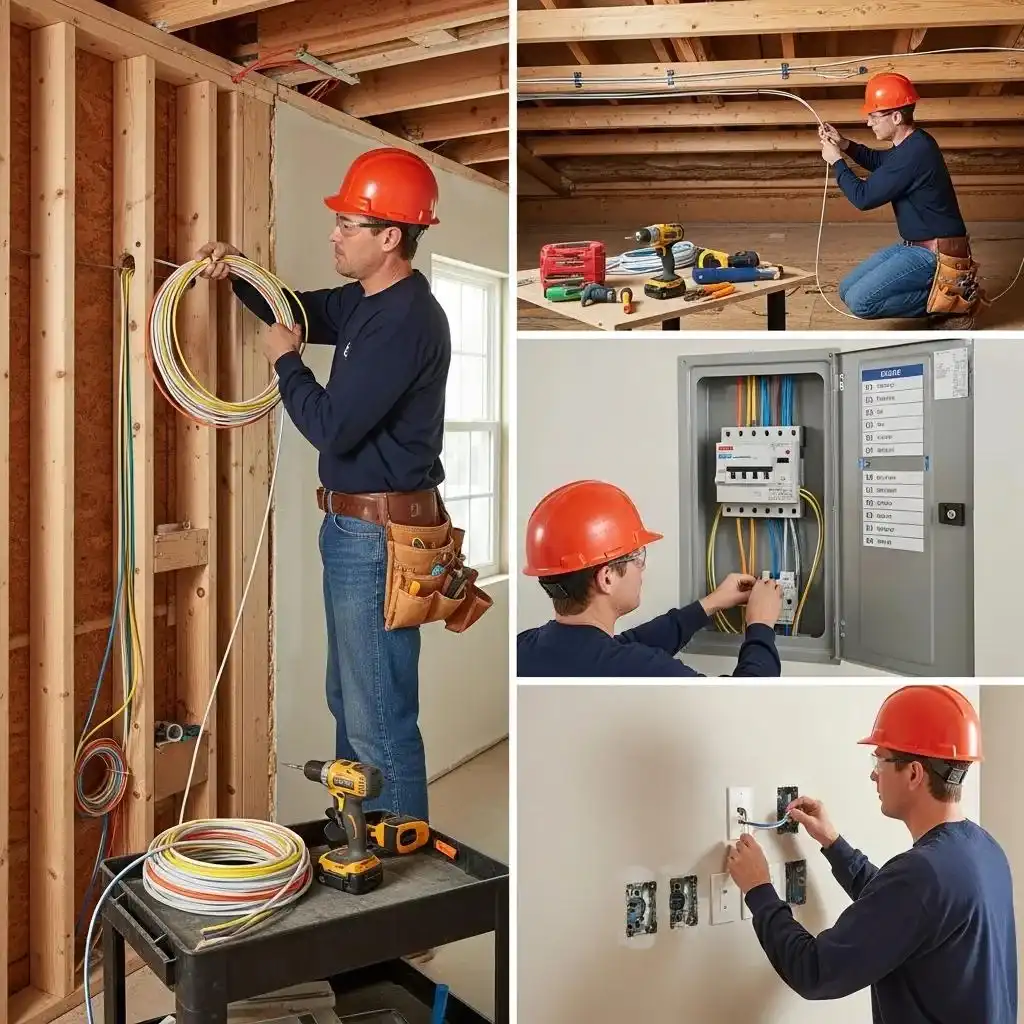
Whole‑house rewiring typically follows a predictable sequence: detailed assessment, written scope and permits, phased installation to limit disruption, and final testing plus inspection for code sign‑off. Each step has a purpose—assessment finds hidden issues, permits ensure legal compliance, and testing verifies everything works safely—so knowing the timeline and degree of invasiveness helps you plan. Below is a short summary of the main stages and what to expect in terms of homeowner impact.
- Initial assessment and written scope: A technician documents the panel, wiring types, and access needs and prepares an itemized plan.
- Permitting and plan submission: The work is submitted to the local building department so it complies with NEC and NFPA rules before installation begins.
- Installation and phased work: Electricians pull new cable, install devices, and upgrade the service panel while minimizing disruption to living areas.
- Testing, inspection, and final sign‑off: Comprehensive testing confirms continuity, grounding, and protective device function before the inspector issues a certificate of completion.
The table below gives typical timelines and homeowner impacts so you can set realistic expectations and plan around the work.
| Phase | Typical Time / Invasiveness | What the Homeowner Can Expect |
|---|---|---|
| Assessment & Quote | 1–3 hours on site; low invasiveness | Visual inspection, circuit testing, and a written scope with an estimate |
| Permits & Planning | 1–3 weeks depending on jurisdiction | Permit submission and plan approval; scheduling window confirmed |
| Installation | Several days to weeks (depends on home size) | Selective drywall access, phased circuits, and dust‑control measures |
| Final Testing & Inspection | 1–2 days | Megger/continuity tests, inspector review, and certificate of completion |
Permitting and staged installation help reduce risk and household disruption. The following sections explain the assessment in more detail and how professionals minimize impact during installation.
What Happens During the Initial Assessment and Planning?
On the initial visit a licensed electrician inspects the service panel, grounding, visible branch circuits, and device locations to document deficiencies and create a written scope that drives the estimate and permit application. Technicians will test circuit continuity, measure load demands, and identify areas that need access—attics, crawlspaces, or wall cavities—because accessibility affects labor and cost. For Fresno projects, responsible contractors factor NEC and NFPA requirements into the scope and note any panel upgrades or subpanel moves on the permit set to keep inspections straightforward.
How Do Installers Keep Disruption to a Minimum?
Experienced electricians use phased schedules, protective coverings, and clear communication to limit dust and downtime. They open only the sections of wall needed to run new cable, provide temporary power for essential circuits when possible, and sequence work so occupied rooms are restored before moving on. Mid‑job inspections are coordinated as required, and good contractors walk you through preparation steps—labeling circuits, moving furniture, and protecting valuables—to keep the project on schedule and reduce stress.
How Much Does It Cost to Rewire a House in Fresno, CA?
Cost varies with home size, wiring type, access, and whether you need a service panel upgrade or permit fees. Whole‑house rewires in the Fresno area are usually quoted as ranges rather than a single number. The table below lists common cost drivers and example ranges so you can form realistic expectations before requesting written estimates. After the table we explain how to get clear, itemized quotes from local electricians.
| Home Characteristic | Typical Cost Range | Notes |
|---|---|---|
| Small home (≈1,000–1,400 sq ft) | $6,000–$12,000 | Lower labor/materials if access is good |
| Medium home (≈1,500–2,400 sq ft) | $10,000–$20,000 | May need a partial panel upgrade |
| Large/two‑story (2,500+ sq ft) | $18,000–$35,000+ | More labor, attic and closet runs raise costs |
| Panel upgrade (100A→200A) | $1,500–$3,500 | Includes new meter and utility coordination |
Major cost drivers are square footage, wiring type, number of circuits, panel work, and access. Knowing these helps you compare bids on a like‑for‑like basis and spot missing line items in estimates.
What Factors Most Affect Rewiring Prices in Fresno?
Price depends on the home’s layout and square footage, legacy wiring (knob‑and‑tube or aluminum increase cost), how easy it is to run cable, whether a service upgrade is needed, local permit and inspection fees, and contractor labor rates. For example, a 1,200 sq ft bungalow with an accessible attic can fall at the lower end of the range, while a 2,500 sq ft two‑story with limited access and a needed 200A upgrade will be higher. Adding AFCI breakers, GFCI outlets, surge protection, or EV‑capable circuits raises the upfront cost but adds long‑term value and safety.
How to Get Transparent, Free Estimates from Local Electricians
Ask for an on‑site inspection and a written, itemized estimate showing materials, labor, permit costs, panel work, and recommended safety devices. A clear quote also lists projected timelines and warranty terms. Good electricians explain how NEC and NFPA requirements affect the scope and why certain upgrades are needed; confirm the proposal includes permit pulls and inspection coordination. Many Fresno contractors offer free estimates—Electricians in Fresno Today, for example, provides transparent pricing and free on‑site assessments. Ask for a detailed quote that lists inclusions and exclusions so you can compare multiple bids fairly.
Benefits of Upgrading Your Home’s Electrical System in Fresno
- Enhanced safety: Modern wiring, grounding, and AFCI/GFCI protection reduce fire and shock risks.
- Greater capacity: Service upgrades support high‑draw appliances and future needs like EV chargers.
- Better reliability: Fewer nuisance trips and steadier voltage for electronics and appliances.
- Improved resale value: A documented, code‑compliant electrical system is a selling point for buyers and inspectors.
These benefits make daily life easier and reduce long‑term maintenance costs. The next sections explain specifically how rewiring prevents fires and increases capacity.
How Rewiring Reduces Fire Risk
Rewiring removes degraded insulation, fixes loose connections, and enables protective devices that detect arc faults and ground faults before they cause ignition. AFCIs detect arc‑fault patterns that often precede electrical fires and shut off power before temperatures get high enough to ignite nearby materials. GFCIs protect against dangerous ground faults in wet areas. Combined with modern wiring practices, these technologies materially lower the chance of electrical‑origin fires—and inspectors verify these protections during final testing.
How Modern Wiring Increases Capacity and Home Value
Updating wiring and upgrading service—such as moving from 100A to 200A—gives your home the ampacity to run multiple high‑demand devices without overloaded circuits, which is important for kitchen upgrades, heat pumps, and EV charging. A properly documented rewire with labeled circuits simplifies future renovations and reassures buyers and appraisers, often supporting a higher market value. Meeting current code requirements for AFCI/GFCI protection and dedicated appliance circuits also aligns your home with modern expectations for safety and functionality.
Why Work with Electricians in Fresno Today for Your Rewire?
Electricians in Fresno Today is a local company serving Fresno County that focuses on residential whole‑house rewires, emergency electrical repairs, and panel upgrades. Our technicians are licensed, insured, and trained to follow NEC and NFPA standards. We handle permit applications and inspection coordination, offer 24/7 emergency service, and provide transparent pricing plus free on‑site estimates so you can make an informed decision. When comparing contractors, check credentials, insurance, and a written, itemized estimate to confirm competence and protect yourself during the project. Ready to start? Call Electricians in Fresno Today at +1-844-335-0814 to schedule a free on‑site assessment and get a detailed line‑item proposal.
What Codes and Certifications Do Our Electricians Follow?
Licensed electricians work to the National Electrical Code (NEC) and follow NFPA guidance to ensure safe installations and pass inspections. These standards cover grounding, circuit protection, equipment ratings, and safe installation practices. Verifying a contractor’s license and insurance gives you accountability and confirms work will be done under required safety protocols and permits. Electricians in Fresno Today emphasizes NEC and NFPA compliance when preparing permits and performing installations to reduce inspection issues and support a clean final sign‑off.
How Transparent Pricing and Reviews Help You Choose Confidently
Transparent, itemized quotes that list labor, materials, permits, panel upgrades, and warranty terms let you compare offers and avoid surprise costs during a complex rewire. Customer reviews and case studies show a contractor’s workmanship, response times, and communication; request recent references to validate claims. Electricians in Fresno Today focuses on clear, written estimates and free on‑site assessments to build trust and give you the documentation you need to decide. Clear pricing plus verified performance history reduces uncertainty and helps you move forward with confidence.
Frequently Asked Questions
What permits are required for whole‑house rewiring in Fresno, CA?
Permits are required to ensure work meets local codes and the NEC. Your electrician submits a detailed scope and any panel upgrade plans to the local building department. Permit review typically takes 1–3 weeks depending on the jurisdiction. Skipping permits can lead to fines and inspection problems, so work with licensed electricians who handle permit pulls and inspections for you.
How long does a whole‑house rewire usually take?
Timing varies with home size and complexity. From assessment through final inspection, projects typically take anywhere from several days to a few weeks. The installation phase is the most disruptive since walls or ceilings may need access, but experienced crews use phased work to restore living areas quickly.
Can I stay in my home during the rewiring?
Many homeowners can stay in their homes during a rewire, though expect some disruption. Contractors often work in stages and provide temporary power for essential circuits. Discuss your needs up front so the crew can plan around sensitive equipment or arrange short‑term alternatives if needed.
What should I check when hiring an electrician for rewiring?
Verify the electrician’s license and insurance, ask about residential rewiring experience, and request a detailed, itemized estimate that lists scope, materials, labor, permit fees, and warranties. Read recent customer reviews and ask for references. A reputable contractor will answer questions, explain code requirements, and provide clear documentation.
What are the long‑term benefits of rewiring?
Long‑term benefits include improved safety, higher electrical capacity, better reliability, and increased resale value. A modern, documented electrical system reduces fire risk, supports new appliances and EV chargers, and reassures buyers and insurers that the home meets current standards.
How should I prepare my home for rewiring?
Prepare by labeling circuits if possible, moving furniture and valuables away from expected work areas, and planning for temporary relocation of sensitive electronics. Talk to your electrician about any special needs so they can protect items and schedule work to minimize disruption.
DISCLAIMER This site is designed to assist homeowners in connecting with electrician service contractors. All electrical contractors are independent and this site does not warrant or guarantee any work performed. It is the responsibility of the homeowner to verify that the hired electrical service contractor furnishes the necessary license and insurance required for the work being performed. All persons depicted in a photo may be actors or models and not contractors listed on this site.