

Residential Electrician Services in Fresno, CA
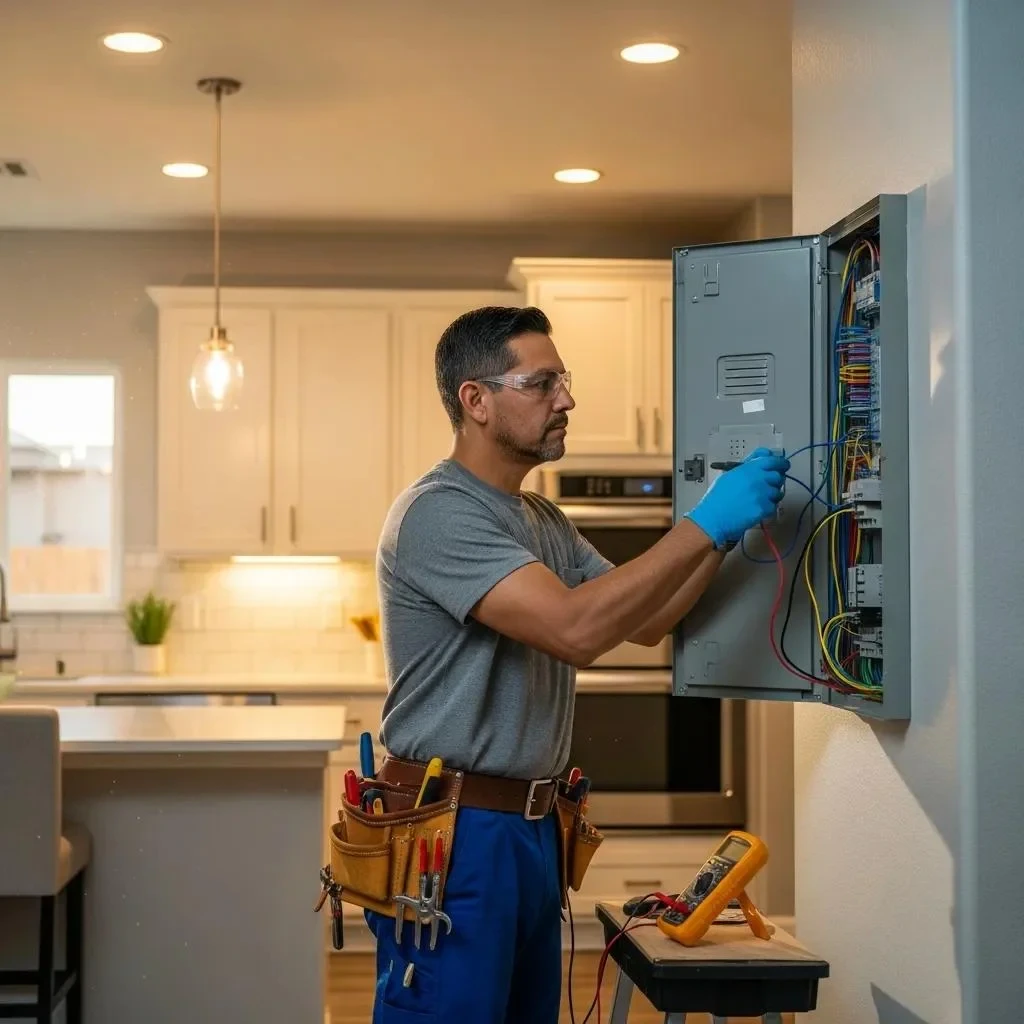
Residential Electrical Services in Fresno, CA — Safe, Code-Ready Solutions for Your Home
Home electrical work in Fresno needs to be safe, code-compliant, and dependable. This guide walks you through common repairs, typical installations, when panels should be upgraded, what safety inspections check for, options for whole-house rewiring and smart-home wiring, and realistic cost expectations for Fresno homeowners. You’ll find practical steps to diagnose flickering lights or tripped breakers, weigh installation choices like EV chargers and lighting, recognize signs that a panel upgrade is necessary, and understand inspection priorities that reduce fire and shock risk. We include checklists and comparison notes so you can compare quotes, prepare for permits, and connect the advice to local, licensed technicians and emergency response options available in Fresno.
What Residential Electrical Repairs Are Common in Fresno Homes?
Most residential repairs in Fresno focus on circuits, fixtures, and protective devices that affect comfort and safety. Technicians find and replace faulty parts — like loose connections, overloaded circuits, or old wiring — restoring continuity and protection to lower fire and shock risks. The outcome is steadier lighting, dependable outlets, and fewer nuisance trips so your home is safer and more convenient. Below are the repair types homeowners see most often, plus simple checks you can do while waiting for a pro.
Common residential electrical repairs in Fresno include the following:
- Flickering lights and fixture faults: Loose bulbs, failing sockets, or poor neutral connections cause visible flicker.
- Tripped circuit breakers and overloaded circuits: Too much load or a short circuit causes breakers to trip and may need load redistribution or repair.
- Warm or sparking outlets and exposed wiring: These are dangerous signs of bad connections or degraded wiring that need immediate attention.
- GFCI and outlet failures: Ground-fault devices that no longer protect wet-area circuits should be replaced to restore safety.
These repair categories are the starting point for diagnosing deeper problems. The next section gives step-by-step guidance for handling flickering lights and tripped breakers.
How to Identify and Fix Flickering Lights and Tripped Breakers
Flickering lights and repeated breaker trips usually point to loose fixtures, overloaded circuits, or a failing breaker. First, check whether the flicker affects a single fixture or several. A single light often means a loose bulb or bad socket; multiple lights on the same circuit suggest a shared circuit issue. Only tighten bulbs or inspect fixture wiring after switching the power off at the breaker, and stop immediately if you smell burning or feel heat — those are signs to call a licensed electrician.
For repeated breaker trips, list high-draw appliances on that circuit and temporarily move some loads to another circuit to reduce nuisance trips. If the problem continues after these basic checks, stop using the affected circuit and schedule a professional inspection. A trained technician will run a load calculation, test breakers and connections, and recommend targeted repairs or an upgrade. Doing the simple homeowner checks first helps you avoid risky DIY fixes and prepares the property for safe professional work.
When to Call for Emergency Electrical Repair Services in Fresno
Call for emergency electrical service when an immediate hazard threatens life, property, or essential systems. Contact an electrician right away if you see persistent sparks, visible arcing from outlets, smoke, a burning smell coming from wiring or the panel, or if power loss affects medical equipment. If it’s safe, turn off the power to the affected area, evacuate if you smell smoke, and don’t touch exposed wiring — then get emergency help.
Many Fresno electricians offer after-hours response to handle life-safety risks quickly. Emergency technicians will isolate the hazard, perform a safe temporary disconnection if needed, and plan corrective repairs. They’ll also document actions for permits or inspections. Fast, professional action prevents escalation and ensures repairs follow NEC and NFPA 70 standards — important when choosing a qualified contractor.
Which Electrical Installation Services Do Fresno Homeowners Need?
Installation work in Fresno ranges from simple outlet additions to full systems like EV chargers and integrated lighting. Installations add or replace outlets, switches, fixtures, or dedicated circuits so devices operate safely and circuits aren’t overloaded. Homeowners should choose work that follows NEC guidelines and includes necessary GFCI protection, surge protection, and compatible, reliable components. Below is a practical comparison of common installation types, timelines, and typical permit needs to help prioritize projects.
Typical installation categories and considerations include:
- Lighting upgrades and fixture installations: LED retrofits, recessed cans, and layered lighting improve efficiency and task illumination.
- Outlet and switch installations: Adding GFCI-protected receptacles in kitchens, bathrooms, and outdoors protects against shocks near water.
- Ceiling fan installs: Require a fan-rated box and the right circuit sizing for motor loads and lighting kits.
- EV charger installations: Level 2 chargers need a dedicated 240V circuit and sufficient panel capacity; charger type and placement affect cost and permits.
For EV charging, both Tesla-specific wall connectors and universal Level 2 chargers are common choices. Both require a 240V dedicated circuit and may trigger a panel-capacity review. Trusted equipment brands are usually selected for performance and warranty reasons. The table below shows typical timelines and permit considerations for planning.
| Installation Type | Typical Timeline | Permit & Inspection Needs |
|---|---|---|
| Lighting (LED, recessed) | 1–2 days for room installs | Usually requires a permit if new circuits or structural work are involved |
| Outlet and GFCI installation | 1 day per area | GFCI locations often require inspection to verify wiring and protection |
| Ceiling fan installation | 1 day per room | Permit required if new wiring or ceiling box reinforcement is needed |
| Level 2 EV charger (Tesla or universal) | 1–2 days plus panel work if needed | Dedicated-circuit permit and final inspection commonly required |
Review timelines and permit triggers before you start to avoid delays and ensure inspections approve the work. Proper planning reduces rework and helps installers coordinate materials and any work with other trades.
Lighting, Outlet, and Ceiling Fan Installation Options
Lighting, outlets, and ceiling fans offer choices that balance looks, efficiency, and safety for Fresno homes. For lighting, pick between recessed, pendant, or surface-mounted fixtures; LED fixtures cut energy use and heat, and dimmable drivers help create layered lighting. Outlets come as standard, tamper-resistant, and GFCI types — GFCI is required near baths, kitchens, garages, and outdoors. Ceiling fans need a secure, fan-rated box and may require a dedicated switch or remote for convenience and load control.
Timelines depend on complexity: a simple outlet swap can take an hour, while a full-room lighting retrofit may take a day or more. Expect small drywall repairs when adding recessed cans or new boxes, and confirm circuits remain within safe load ratings to prevent continuous overcurrent and nuisance trips. Choosing fixtures and protection devices from reputable manufacturers helps ensure longevity and simplifies future maintenance.
Tesla and Universal EV Charger Installation for Fresno Residences
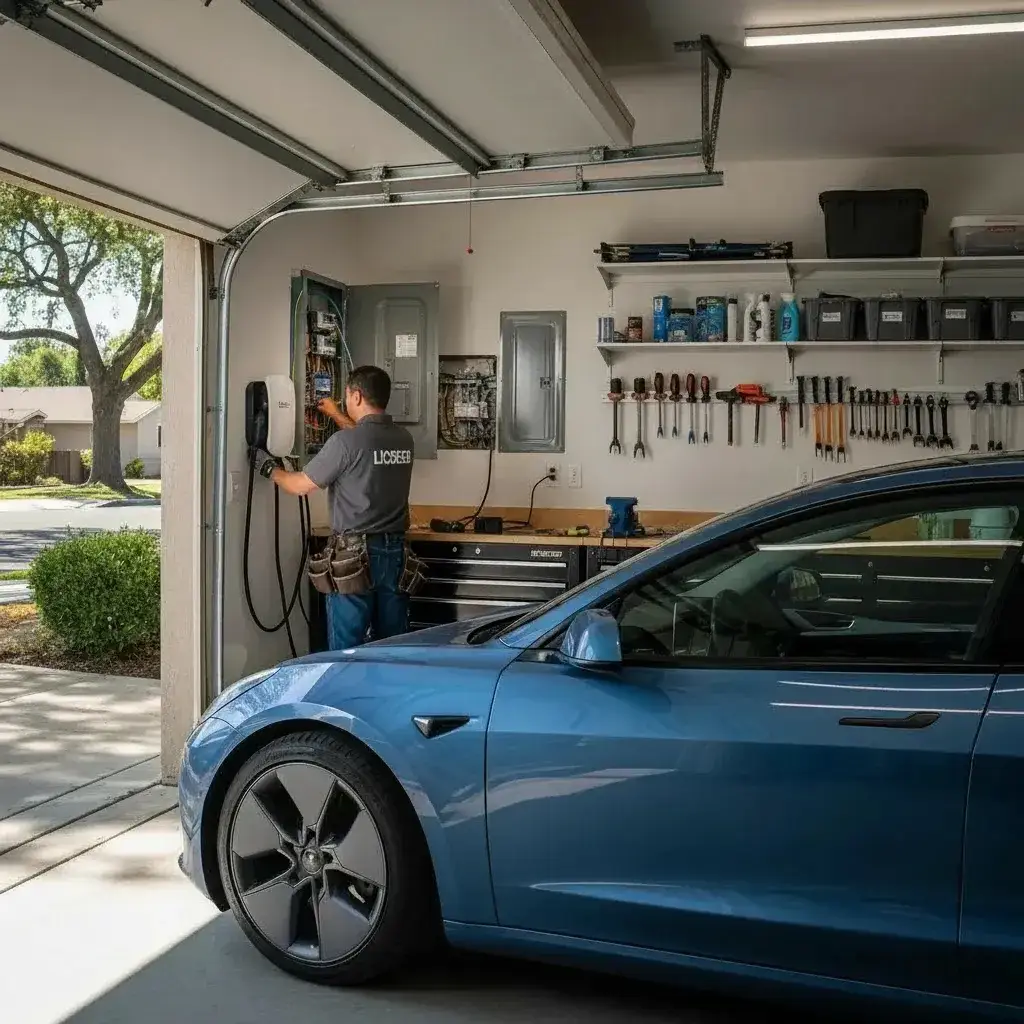
Installing an EV charger at home usually means adding a Level 2 (240V) circuit, checking panel capacity, and choosing a mounting location that balances charging speed and convenience. Level 1 chargers use a 120V outlet and are slower; Level 2 chargers are faster and need a dedicated circuit sized to the charger’s amperage. Tesla wall connectors offer vehicle-optimized features, while universal Level 2 chargers support multiple EV brands with standard connectors.
Before installation, have a service-panel assessment to see if a move from 100 amp to 200 amp service is needed to handle the new load. Permits and final inspections are typically required for the dedicated circuit. Charger placement should minimize wire run length and consider weather protection if outdoors; installers route conduit and apply grounding and protection per code. Knowing these factors helps you choose between Tesla-branded and universal chargers and prepares you for any panel work that might be necessary.
Why Are Electrical Panel Upgrades Essential for Fresno Homes?
Panel upgrades become necessary when a home’s electrical service can’t handle modern loads or when safety and code compliance are at risk. Upgrading increases available amperage for high-draw devices like modern HVAC systems and EV chargers, replaces obsolete equipment, and improves protection with modern breakers and AFCI/GFCI options. Replacing aging fused panels or undersized breakers lowers fire risk while improving overall performance.
Homeowners usually notice the need for an upgrade through frequent trips, heat at the panel, or limited ability to add circuits. The section below lists clear signs and a decision checklist. After that, we compare Siemens and Eaton panel attributes to help you choose equipment.
Signs you may need a panel upgrade include repeated breaker trips under normal load, inability to add needed circuits, presence of a fuse box, and visible rust or overheating at the panel. Upgrades involve a load calculation, permit filing, and replacement by a licensed electrician so the new service meets NEC rules and Fresno County permit requirements. The table below compares Siemens and Eaton options relevant to Fresno homeowners preparing for upgrades.
| Panel Brand | Typical Amperage Options | Typical Cost Range | Suitability for EV Charging |
|---|---|---|---|
| Siemens | 100–200 amp residential options | Moderate to high | Good breaker availability for Level 2 chargers |
| Eaton | 100–200 amp residential options | Moderate to high | Broad compatibility with modern breakers and accessories |
| General Considerations | Main lug vs main breaker, AFCI/GFCI options | Varies by configuration and labor | Ensure adequate spare capacity for a dedicated charger circuit |
Reputable brands offer options suitable for modern loads; final selection depends on panel layout, breaker availability, and what your installer stocks. The next section covers signs that prompt a 100 amp to 200 amp upgrade and a short decision checklist.
Signs You Need a Panel Upgrade: From 100 Amp to 200 Amp Systems
Moving from 100 amp to 200 amp service is usually driven by cumulative appliance demand or by adding high-load equipment like EV chargers or new HVAC units. Common symptoms are frequent breaker trips during normal use, not being able to run multiple large appliances at once, or heat and burning smells near the panel. A professional load calculation measures current and planned demand and confirms whether a 200 amp main is appropriate to avoid undersizing.
Use this simple checklist:
- List major appliances and their amperages
- Note when multiple appliances are used at the same time
- Consult a licensed electrician for a formal load calculation
If the home still has knob-and-tube or other outdated wiring, a panel upgrade is often done together with rewiring to bring the whole system up to modern standards. A planned approach ensures upgrades address both capacity and safety.
Benefits and Process of Upgrading to Siemens or Eaton Panels
Upgrading to a modern Siemens or Eaton panel improves safety, adds breaker slots, and supports AFCI/GFCI and surge protection devices — all of which lower electrical fire and shock risk. Typical steps are assessment and load calculation, permit submission, installation (removing the old panel and fitting the new one and breakers), and inspector sign-off. Warranties and spare breaker availability vary by manufacturer; picking a brand your electrician stocks can make future maintenance easier.
Local licensed technicians commonly work with trusted brands like Siemens and Eaton and provide written quotes listing equipment, labor, and permit fees. A straightforward swap can take a day, while service changes or meter work can extend the timeline to several days. Knowing the process helps homeowners plan budget and schedule before permitting and installation.
How Do Electrical Safety Inspections Protect Fresno Residences?
Electrical safety inspections review wiring, protective devices, and grounding to find hazards, code violations, and items needing repair — reducing fire and shock risk. Inspectors check wiring condition, the panel and breakers, GFCI and AFCI protection where required, and grounding and surge protection. You’ll get a prioritized list of repairs and compliance recommendations so systems meet NEC-based safety thresholds. The checklist and subsections below explain common inspection elements and how they protect your home.
Inspections often find loose neutrals, improperly installed outlets, missing GFCIs in wet areas, and inadequate grounding — all fixable items that reduce hazard when corrected. Inspectors provide documentation homeowners can use for insurance, sales disclosures, or renovation planning. The next section covers GFCI rules and surge protection options that frequently appear on inspection reports.
GFCI Outlet Requirements and Surge Protection Installation
GFCI outlets are required in bathrooms, kitchens, garages, outdoors, and other wet locations because they detect ground faults and cut power quickly to prevent shock. Inspections verify GFCIs are installed where required and that they protect downstream outlets correctly; old or failing GFCIs are replaced. Surge protection is available as point-of-use devices for electronics or as whole-house surge protective devices at the service panel to limit transient overvoltages from the grid.
Whole-house surge protection at the panel complements GFCIs by protecting appliances and electronics from spikes. Inspectors often recommend whole-house solutions for homes with expensive electronics or frequent utility surges. Proper bonding and grounding are necessary for surge devices to work effectively and are common inspection items. With inspection findings in hand, homeowners can schedule repairs to restore full protection and code compliance.
Ensuring Code Compliance with NEC and Local Fresno Regulations
The National Electrical Code (NEC) and NFPA 70 set baseline safety rules for residential electrical systems; Fresno typically adopts NEC standards with local permitting and inspection requirements. Compliance means following NEC rules for GFCI/AFCI locations, conductor sizing, grounding, and load calculations, while local permits and inspections confirm work meets both national and county-specific rules. Licensed electricians handle installations, repairs, and permit filings to keep work compliant.
Before major electrical work, check what requires a permit — for example, panel upgrades, new EV circuits, or whole-house rewiring — to avoid enforcement issues and ensure final approval. Working with licensed pros during planning helps align scope with code and reduces the chance of rework at inspection. Proper compliance lowers safety risk, satisfies insurance needs, and gives documented evidence of safe, code-compliant work.
What Are the Advantages of Whole House Rewiring and Smart Home Integration?
Whole-house rewiring replaces aging conductors and brings a home up to current capacity and safety expectations, while making smart-home integration and energy management easier. Rewiring replaces hazardous systems — like knob-and-tube or deteriorated cloth insulation — with new copper conductors, updated panels, and properly grounded circuits. The result is improved reliability, lower fire risk, and compatibility with modern devices. Smart-home systems benefit from dedicated circuits, structured low-voltage runs, and network-ready wiring that a full rewiring can accommodate.
Benefits include better circuit distribution, the ability to install AFCI/GFCI protection where needed, and easier integration of automation hubs and whole-house controls. Planning for rewiring also lets homeowners add capacity for EV chargers, improve lighting layouts, and install dedicated appliance circuits — all of which add convenience and resale value. The next section looks at replacing knob-and-tube wiring and then how wiring supports smart systems.
Replacing Old Wiring and Knob and Tube Systems in Fresno Homes
Knob-and-tube and other vintage wiring lack grounding and often don’t meet modern load demands, creating safety and insurance issues that usually require replacement. You can do phased upgrades to address high-risk areas first or choose whole-house rewiring to standardize circuits and add grounding and modern conductor sizing. Inspectors and insurers often require removal of knob-and-tube when discovered during a sale or renovation; permits and inspections document the corrected work.
Phased rewiring helps spread cost while fixing immediate hazards like adding grounded outlets, replacing cloth-insulated wiring, and updating breaker protection. Whole-house rewiring simplifies future improvements and ensures consistent performance. Licensed electricians plan access, limit wall damage, and schedule work to preserve daily function. Completing rewiring gives you a modern electrical baseline that supports reliable smart-home integration.
Integrating Home Automation and Smart Electrical Systems
Smart-home features rely on a solid electrical backbone: dedicated circuits for hubs and chargers, networked lighting strategies, and enough panel capacity for distributed loads. Typical electrical needs include extra low-voltage runs for sensors, switch locations set up for smart switches or dimmers, and spare circuits for future devices. Energy-management functions — like load shedding or scheduled charging — require coordination between electrical design and the automation controller.
Work with electricians who understand both code and automation for smooth installation of smart switches, whole-home automation panels, and coordinated EV charging. Planning these elements during rewiring reduces retrofit complexity and keeps AFCI/GFCI protection effective in automated systems. Proper coordination creates a more resilient, energy-efficient home that supports modern convenience and safety.
How Much Do Residential Electrical Services Cost in Fresno, CA?
Costs for residential electrical work in Fresno vary with labor, permit fees, parts and equipment, panel size, and project complexity. Major cost drivers include panel upgrades, extent of rewiring, special equipment like Level 2 EV chargers, and Fresno County permit and inspection fees. Typical cost ranges below help you budget and compare written estimates from licensed electricians.
Below is a practical cost guide linking service types with main cost drivers and typical ranges. Always verify prices with a licensed electrician and request written estimates showing permits and materials.
| Service | Cost Drivers | Typical Cost Range |
|---|---|---|
| Minor repairs (outlet, switch) | Labor per visit, parts | $100–$400 |
| Lighting and fixture installs | Fixture cost, wiring complexity | $150–$800 per room |
| Panel upgrade (100A→200A) | Equipment, meter work, permits | $1,500–$4,000 |
| Level 2 EV charger installation | Charger model, circuit, panel work | $400–$2,000+ depending on upgrade needs |
| Whole-house rewiring | Home size, access, permits | $4,000–$20,000 depending on scope |
These ranges reflect typical Fresno influences: permit costs, labor, and equipment choices. The next section explains pricing models and why written quotes matter.
Transparent Pricing for Repairs, Installations, and Upgrades
Knowing how electricians price work helps you evaluate bids and avoid surprises. Common pricing parts include trip fees, hourly labor, materials, and permit or inspection charges. Contractors may offer flat rates for standard jobs and itemized estimates for larger projects like panel upgrades or rewiring. Written quotes should list equipment brands, labor hours, permit fees, and exclusions. Comparing at least two written estimates helps reveal differences in scope, warranties, and included services.
Local electricians emphasize clear pricing and written quotes so homeowners can compare options and understand permit handling. A detailed quote reduces the risk of scope creep and helps ensure the work follows NEC and local permit rules. Ask for documented estimates showing brands, breaker types, and inspection steps to simplify final cost reconciliation and scheduling.
Permitting and Local Regulations Impacting Service Costs
Permits and inspection fees affect both cost and timeline. Common triggers for permits include panel upgrades, major rewiring, and adding new circuits or EV charging equipment. Permit fees vary by project value and jurisdiction, and inspection scheduling can add lead time to completion dates. Contractors who manage permit submission and inspections can ease the homeowner’s administrative load and help the work clear final approval efficiently.
When budgeting, include permit fees and possible re-inspection costs if corrections are needed, and plan for inspection windows that affect project sequencing. Contractors familiar with Fresno County permit processes can often anticipate inspector concerns and address code items early to avoid repeated reviews. Securing permits and passing inspections protects homeowners and ensures long-term safety and resale compliance.
Frequently Asked Questions
1. What should I do if I experience frequent power outages in my home?
First check whether outages are limited to your house or affecting the neighborhood. If it’s only your home, look for tripped breakers or blown fuses. If the problem continues, call a licensed electrician to inspect your system. They’ll look for overloaded circuits, faulty wiring, or panel issues that might need repair or an upgrade.
2. How can I ensure my home is safe from electrical fires?
Keep wiring up to code and schedule regular inspections. Install and test smoke detectors monthly. Use surge protectors for sensitive electronics and avoid overloading outlets. Replace frayed cords right away. Consider a professional electrical safety inspection to find hazards like outdated wiring or poor grounding and fix them promptly.
3. What are the benefits of smart home integration for electrical systems?
Smart-home systems add convenience, energy savings, and security. Smart lights, thermostats, and security devices let you control systems from your phone or with voice commands. Features like scheduling and load-shedding can lower utility bills, and alerts help you spot unusual activity. Planning smart wiring during rewiring makes integration much smoother.
4. How often should I have my electrical system inspected?
We recommend inspections every 3 to 5 years, or sooner if you see flickering lights, frequent breaker trips, or before major renovations. Older homes (over 40 years) or those with outdated wiring should be inspected more often. Regular inspections catch hazards early and keep systems up to current codes.
5. What are the signs that indicate I need to upgrade my electrical panel?
Look for frequent breaker trips, flickering lights, or the inability to run several large appliances at once. If your panel uses fuses or shows rust, heat, or burning smells, it likely needs replacing. A licensed electrician can confirm whether an upgrade is needed for safety and capacity.
6. Are there specific permits required for electrical work in Fresno?
Yes. Permits are typically required for panel upgrades, new circuit installations, and major rewiring projects. Permits ensure the work meets local codes and safety standards. Work with a licensed electrician who knows Fresno County regulations to obtain the right permits before starting any project.
7. What should I consider when choosing an electrician for my home?
Check licensing, experience, and customer reviews. Make sure they know local codes and Fresno permit rules. Ask for written estimates that describe scope, materials, and costs. Inquire about warranties and whether they handle permits and inspections. A reputable electrician will be transparent about pricing and happy to answer your questions so you feel confident in your choice.
DISCLAIMER This site is designed to assist homeowners in connecting with electrician service contractors. All electrical contractors are independent and this site does not warrant or guarantee any work performed. It is the responsibility of the homeowner to verify that the hired electrical service contractor furnishes the necessary license and insurance required for the work being performed. All persons depicted in a photo may be actors or models and not contractors listed on this site.