

Expert Residential Electrical Contractors in Fresno, CA
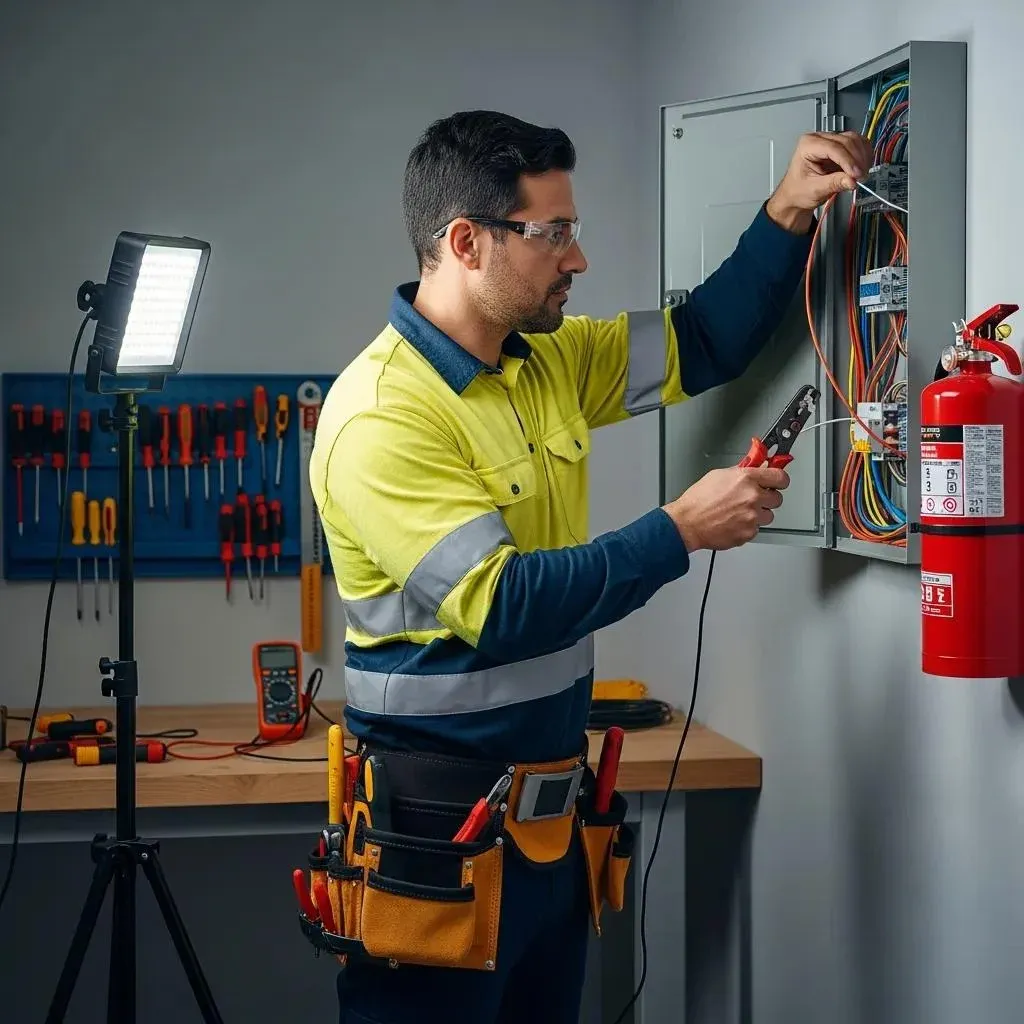
Top Residential Electrical Contractors in Fresno, CA — Expert Services for Your Home
If you need licensed, insured residential electrical work in Fresno, this guide walks through the services, typical costs, and practical steps to keep your home safe and reliable. You’ll learn which services local Fresno electricians commonly provide, how to spot urgent electrical problems, which specialized jobs are growing in demand, and realistic price ranges for 2024–2025. The advice below focuses on Fresno, Fresno County and nearby communities like Clovis and Madera, and includes clear steps for choosing a licensed electrician to protect your home. If you’re dealing with flickering lights, a full electrical panel, or planning an EV charger or smart‑home upgrade, you’ll find checklists and local considerations that make hiring and budgeting easier. Keywords such as residential electrical contractors Fresno, electrician Fresno CA, electrical panel upgrade Fresno, and EV charger installation Fresno appear naturally to help with discoverability.
What Residential Electrical Services Do Fresno Electricians Offer?
Residential electrical contractors in Fresno cover repairs, new installations, safety upgrades, and routine maintenance to keep your home safe and code‑compliant. Work typically starts with diagnostics and can include component replacement, wiring, and permit coordination with local authorities. Common services for Fresno homeowners include troubleshooting circuits, installing fixtures and outlets, panel work, and modern upgrades like EV charger wiring and smart‑home integration. Knowing these service categories makes it easier to match a contractor’s capabilities to your project and to set realistic expectations for timing and inspections.
The list below summarizes core services and quick definitions so homeowners can scan options and pick the work that fits their home.
- Electrical repairs and troubleshooting: Find and fix issues like tripped breakers, dead outlets, or intermittent power.
- Installations and upgrades: Add or replace lighting, ceiling fans, outlets, or upgrade panels and wiring for new appliances.
- Safety inspections and code corrections: Perform home safety checks, install required GFCI/AFCI protection, and correct hazards to meet California code.
- EV charger and smart‑home wiring: Plan and install Level 2 EV chargers and wire smart panels, switches, and home automation systems.
- Emergency electrical services: Fast response for dangerous conditions like burning smells, arcing, or total power loss.
These definitions explain what to expect from a licensed electrician and outline the diagnostic and permitting steps common in Fresno. The following sections describe repair workflows and installation practices so you can compare proposals and timelines.
Comprehensive Electrical Repairs and Troubleshooting in Fresno
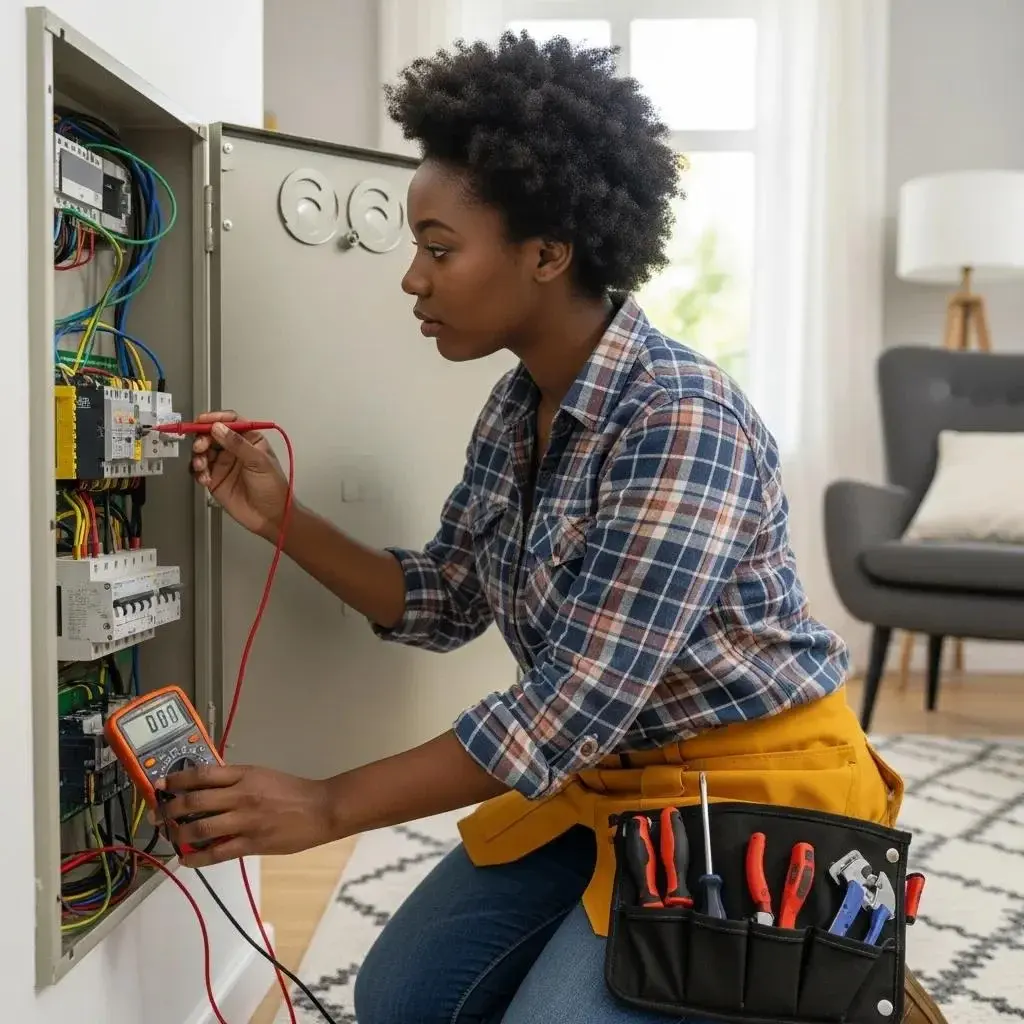
Repairs in Fresno start with diagnostic testing to isolate problems in wiring, breakers, outlets, or fixtures, then move to safe, code‑compliant fixes that restore reliable power. Technicians use step‑by‑step troubleshooting—visual inspection, circuit tracing, and load testing—to find root causes like loose connections, overloads, or worn components that produce flicker, intermittent power, or nuisance trips. Emergency response handles immediate hazards (burning smells, exposed wiring), while planned repairs cover outlet replacement, GFCI fixes, or partial rewiring for problem circuits. Expect a clear explanation of findings, recommended fixes, and an itemized estimate that separates labor, parts, and any permit work so costs and timelines are transparent.
Thorough diagnostics and safe remediation cut down repeat visits and reduce fire risk. Knowing the repair process helps you prepare for access needs and short power interruptions. Next, we cover how installations and upgrades differ from repairs and what typically requires permits.
Professional Electrical Installations and Upgrades for Fresno Homes
Installations and upgrades blend system design, permit coordination, and certified work to add capacity or modernize home electrical systems in Fresno and the Central Valley. Typical projects include adding circuits, switches, lighting, ceiling fans, outdoor lighting, and receptacles. Upgrades range from panel replacements and circuit reconfiguration to whole‑house rewiring when capacity or safety is a concern. Contractors perform load calculations and ensure code compliance—especially for panel upgrades tied to EV chargers or major appliances—and handle permit submission and inspections with Fresno County authorities. Homeowners should receive a project outline that shows scope, required inspections, estimated timeline, and whether temporary power interruptions are needed.
Upgrades deliver long‑term safety and performance benefits. Understanding permit expectations helps you budget time and minor additional costs. The table below outlines common residential services, typical tasks, and realistic timeframes so you can plan accordingly.
| Service | Common Tasks Included | Typical Timeframe |
|---|---|---|
| Electrical repairs and troubleshooting | Diagnostic testing, outlet replacement, breaker repair | 1–4 hours |
| Lighting and fixture installation | Replace fixtures, install recessed or exterior lights | 1–6 hours |
| Circuit additions and new outlets | Run wiring, install outlets/switches, test circuits | 2–8 hours |
| Electrical panel upgrades | Replace panel, re‑label circuits, coordinate inspection | 1–3 days |
| EV charger wiring (Level 2) | Capacity assessment, install dedicated circuit and outlet | 4–8 hours |
This comparison clarifies typical durations and helps you align contractor estimates with expected timeframes for common Fresno residential projects.
How to Choose the Best Licensed Electrician in Fresno CA?
Picking the right licensed electrician in Fresno means checking credentials, comparing clear estimates, and confirming experience with the specific work you need. Look for electricians who provide a valid license, proof of insurance, a clear written estimate, and examples of similar projects like panel upgrades or EV charger installs. Ask focused questions about warranties, emergency response, and references to separate reliable providers from fly‑by‑night operators. Checking online reviews and verifying licensure through state resources helps reduce risk from unlicensed or uninsured contractors.
Use this concise checklist when vetting contractors to narrow candidates and request consistent bids.
- Verify the contractor’s license and scope of work so they’re legally authorized for residential electrical services.
- Confirm liability insurance and workers’ compensation to protect your household from liability.
- Request itemized estimates that separate labor, materials, and permit fees for fair comparison.
- Ask for references and examples of similar completed projects in Fresno, Clovis, or Madera.
- Clarify warranty terms, emergency service availability, and how the contractor will handle inspections.
This checklist focuses your comparison on safety, transparency, and fit. The next sections explain what to look for on licenses and why insurance matters.
Key Qualifications and Licensing Requirements for Fresno Electricians
Important qualifications include the correct state license that authorizes residential electrical work and shows competence for complex tasks like panel upgrades or whole‑house rewiring. Licenses indicate the contractor has passed trade exams and keeps up with training; license types also define the scope of permitted work and whether a business can pull permits in California. Always ask for the license number and verify it with state boards to check standing and any disciplinary history. Certifications in areas like EV charger installations or smart‑home wiring are useful signals of specialized experience for modern projects.
Verifying license details ensures the electrician can lawfully and safely do the job, and that naturally leads into checking insurance and experience, which we cover next.
Why Hiring Insured and Experienced Contractors Matters for Your Home Safety
Hiring insured, experienced electricians reduces financial and safety risk. Insurance protects you from third‑party claims if there’s accidental damage or injury, while seasoned crews are more likely to spot hidden hazards, deliver durable solutions, and avoid costly rework. For example, experienced techs will size breakers correctly for EV charger loads and specify AFCI/GFCI protection to reduce fire and shock risk. Choosing insured, experienced contractors lowers the chance of code violations that can complicate resale or trigger expensive retrofits.
Knowing these protections helps you evaluate bids on value—not just price—and prepares you to request proof of insurance and clear warranty terms before work begins.
What Are the Signs You Need Electrical Repairs or Upgrades in Your Fresno Home?
Spotting warning signs early lets Fresno homeowners address hazards and plan capacity upgrades before failures occur. Common symptoms include frequent breaker trips, flickering lights, buzzing outlets, burning smells, or dead receptacles—each can point to wiring faults, overloaded circuits, or worn connections. Planned upgrades may be needed when you add high‑power appliances, an EV charger, or expand smart‑home systems that increase load and require more panel capacity or additional circuits. Early action reduces fire risk and lowers the chance of emergency service calls; understanding urgency helps you choose between emergency repairs and scheduled upgrades.
The ordered list below shows top signs, likely causes, and recommended next steps so homeowners can triage problems and call a licensed electrician when needed.
- Frequent breaker trips: Often from overloaded circuits or short circuits; reduce load and call a technician for diagnosis.
- Flickering or dimming lights: Can mean loose connections or voltage drops; schedule an inspection to prevent arcing or damage.
- Burning smell or hot outlets: A serious sign of wiring problems or overloaded receptacles; cut power to the area and seek immediate professional help.
- Outlets or switches not working: Could be tripped breakers, faulty GFCIs, or wiring issues; have a technician trace and repair the fault.
- Panel age or lack of capacity: Older services (60A or 100A) may not handle modern loads; consider an evaluation for a panel upgrade.
This symptom checklist helps you decide when to call for emergency help and when to schedule planned work. The following sections explain common issues and the thresholds for panel upgrades and rewiring.
Common Electrical Issues in Fresno Residences and Their Solutions
Many Fresno homes face problems tied to aging components, loose connections, and growing power needs from electronics and EVs—symptoms include outlet failures, tripping breakers, and intermittent lighting. Fixes begin with a qualified diagnosis: circuit tests, breaker inspection, and checking wire insulation. From there, common repairs include outlet replacement, circuit balancing, or spot rewiring where insulation is compromised. Older homes with legacy wiring may need partial rewires or replacement of cloth‑insulated conductors to meet today’s safety standards. Prioritizing immediate hazards first then planning upgrades improves reliability and prepares your home for future loads.
Tackling common issues promptly prevents further damage and makes it easier to add capacity for projects like EV charger installation, discussed next.
When to Consider Electrical Panel Upgrades or Home Rewiring
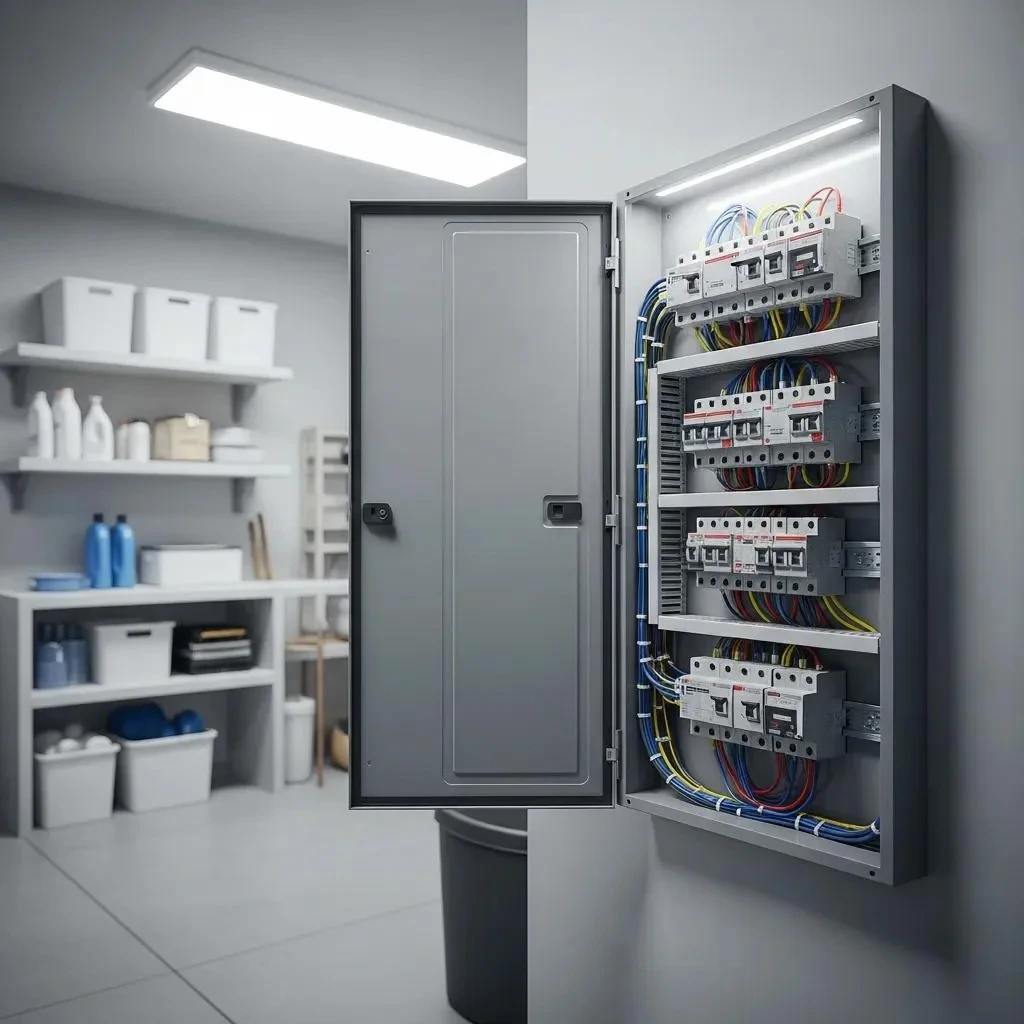
Think about a panel upgrade or rewiring if you have repeated breaker trips, a panel lacking modern safety features, plans for high‑demand additions like EV chargers or HVAC, or a visibly rusted or obsolete panel. Typical triggers include older services (60A or 100A), frequent use of extension cords, or appliances that cause noticeable voltage drops. Panel upgrades increase capacity, add required AFCI/GFCI protections, and simplify circuit layout; rewiring fixes systemic degradation and brings wiring up to current standards. Contractors will provide load calculations, pull permits, and coordinate inspections so the upgrade complies with California code and utility requirements.
Knowing these triggers helps you plan upgrades before an emergency replacement is needed and ensures projects include proper permitting and inspection steps.
How Much Do Residential Electrical Services Cost in Fresno CA?
Pricing for residential electrical services in Fresno varies by job type, complexity, and permit needs. Realistic ranges help homeowners budget and compare bids. Costs combine labor, materials, permit fees, and inspections—each affects the final estimate. For common jobs like minor repairs, lighting installs, panel upgrades, and EV charger wiring, the 2024–2025 ranges below offer a practical starting point. Always request multiple itemized estimates and confirm whether permits are included so you can compare apples to apples and choose a reliable contractor.
| Service | Typical Price Range (Fresno 2024–2025) | Notes (permits, complexity) |
|---|---|---|
| Minor electrical repair (outlet, switch) | $100–$350 | May be a flat rate; permit sometimes not required |
| Lighting fixture or ceiling fan install | $150–$600 | Depends on ceiling access and whether a new circuit is needed |
| EV charger circuit & install (Level 2) | $800–$2,500 | Permits and possible panel upgrades can add cost |
| Electrical panel upgrade | $1,200–$4,000 | Permits and inspections required; price varies by amperage |
| Partial home rewiring | $2,000–$8,000+ | Complexity, wall access, and permit costs increase price |
This pricing snapshot offers a realistic baseline for comparing bids. The next section explains why estimates can differ and how to evaluate cost drivers in detail.
Average Pricing for Electrical Repairs and Installations in Fresno
Local pricing reflects Fresno labor rates, material availability, and how hard it is to access wiring in homes across the Central Valley. Hourly or flat fees are common for troubleshooting and small repairs, while fixed bids are typical for defined projects like panel replacement or EV charger circuits. Ask for itemized estimates that list labor hours, materials, permit fees, and whether re‑inspections are included to avoid surprises. Evaluate bids on scope clarity and included protections—workmanship warranties and post‑installation testing often provide better long‑term value than choosing the cheapest option.
Knowing typical pricing models helps you ask the right questions and compare contractors fairly. The following section breaks down the main cost drivers to expect.
Factors Influencing Costs: Materials, Labor, and Service Complexity
Costs depend on material quality and brand, local labor markets, accessibility of the work area, and whether code upgrades or permit corrections are needed. Premium parts like high‑end breakers or whole‑house surge protectors raise upfront cost but can improve safety and longevity. Complexity increases labor hours—examples include work inside finished walls, long conduit runs, or coordinating with the utility for service upgrades. Permit triggers, inspector schedules, and the need for a panel upgrade to support new loads (EV chargers, HVAC) also affect final pricing and should be listed in estimates.
Understanding these cost drivers lets homeowners evaluate value, adjust scope to fit budgets, and plan for permit timelines or extra inspections that could extend project duration.
What Specialized Electrical Services Are Growing in Demand in Fresno?
Specialized residential services gaining traction in Fresno include EV charger installation, smart‑home electrical integration, and energy‑efficiency upgrades like LED retrofits and whole‑home surge protection. Rising EV ownership, interest in home automation, and the desire to lower energy use drive demand. Contractors experienced in these areas handle load planning, panel evaluations, and permit submissions—and can point you to rebates or utility programs that lower upfront costs.
The table below compares specialized services, their benefits, and key considerations so you can decide which upgrades make sense for your home and budget.
| Specialized Service | Benefits | Considerations (permits, panel upgrades, rebates) |
|---|---|---|
| EV charger installation (Level 2) | Faster charging, supports daily EV use | May require panel upgrade; permits and inspection needed |
| Smart‑home electrical integration | Automation, remote control, energy monitoring | Compatibility checks and possible panel communications upgrades |
| LED lighting & efficiency upgrades | Lower energy use, long‑term cost savings | Upfront cost vs. rebate opportunities and installation access |
This comparison helps weigh near‑term expense against long‑term savings and convenience. The next sections go deeper into EV charging and efficiency options.
EV Charger Installation and Smart Home Electrical Integration
Residential EV charger projects usually start by choosing between Level 1 and Level 2 chargers, checking your home’s electrical capacity, and installing a dedicated circuit with proper overcurrent protection. Level 2 is the common choice for daily charging because it delivers higher amperage and faster charging, but it often needs a panel capacity check and sometimes a panel upgrade. Smart‑home integration pairs well with EV charging by adding load monitoring, scheduled charging, and automation that reduce peak demand and can lower costs. Licensed electricians handle permits, utility notifications when required, and ensure installations meet California electrical code and inspection rules.
Combining smart‑home systems with EV charging is a practical step toward a more efficient, sustainable home energy setup.
Smart Home & EV Integration for Sustainable Residential Electrical Systems
A smart home functioning as a residential microgrid of grid‑connected solar PV homes integrated with EVs supports the transition to electric transport and higher shares of renewable electricity.
Rooftop solar and electric vehicle integration for smart, sustainable homes: a comprehensive review, M Irfan, 2023
Planning combined EV and smart‑home projects up front avoids redundant work and ensures your panel and wiring can support both current and future needs.
Energy‑Efficient Lighting and Electrical Safety Upgrades for Fresno Homes
LED retrofits and fixture upgrades cut energy use and maintenance while improving light quality, and they’re often paired with safety upgrades like AFCI/GFCI breakers and whole‑home surge protection. These measures lower electricity bills, strengthen circuit protection against arc and ground faults, and improve resilience to surges common in the area. Homeowners should estimate payback based on local energy rates and available rebates, and consider bundling lighting and safety work to reduce mobilization costs and simplify inspections. Combining efficiency and safety upgrades improves both monthly costs and long‑term reliability.
Bundled projects can streamline permitting and inspections while delivering measurable savings and safety benefits for Fresno households.
How Can Fresno Homeowners Ensure Electrical Safety and Compliance?
Start with routine maintenance, prioritized safety checks, and a basic understanding of permit and inspection workflows for Fresno and nearby jurisdictions. Regular tasks include testing smoke alarms, exercising GFCI and AFCI devices, visually inspecting accessible wiring, and scheduling professional safety inspections when needed—especially before renovations or a home sale. Contractors familiar with local codes and inspection checkpoints help plan projects that pass review and meet California electrical code. Knowing where to find official code resources and how pros manage compliance makes projects run smoother and safer.
The short list below highlights actionable safety checks you can perform or schedule to reduce risk and keep your system in good shape.
- Test smoke alarms monthly and replace batteries annually; coordinate with an electrician for interconnected or integrated systems.
- Exercise GFCI/AFCI devices by using their test buttons and replace them if they fail to trip reliably.
- Inspect outlets and cords for discoloration or heat; unplug and have a professional check any items that look or feel hot.
- Schedule a professional safety inspection before major renovations or when buying an older home to uncover hidden hazards.
These steps lower immediate risk and create a maintenance routine that supports long‑term compliance and safety. The following sections cover preventive measures and how local codes affect projects.
Electrical Safety Tips and Fire Prevention for Fresno Residences
Simple, regular actions cut household electrical risk: keep smoke detectors working, avoid overloaded outlets, use correctly rated extension cords, and address any burning smells or hot outlets immediately with a pro. Regular visual checks of cords, plugs, and visible fixtures catch many issues early, while professional inspections validate hidden wiring and circuit integrity. AFCI and GFCI protection reduce arc‑fault and ground‑fault risks, and surge protection helps protect electronics from voltage spikes. Prioritizing these preventive steps lowers emergency calls and helps keep your home code‑compliant.
Ongoing research continues to reveal hidden hazards and best practices for residential electrical safety.
Residential Electrical Hazards & Safety Practices Investigation
An examination of electrical hazards and safety practices among residential electricity consumers highlights often‑overlooked risks and offers recommendations to improve household safety.
Invisible threats: An investigation of electrical hazards and safety practices among residential electricity consumers, F Kulor, 2024
Regular maintenance plus timely professional responses form the most effective strategy for preventing fires and protecting occupants.
Understanding Local Electrical Codes and Inspection Requirements in Fresno
Know the typical permit triggers—panel upgrades, new circuits for major appliances, and EV charger installs—and plan for inspector scheduling when scoping a project. Licensed contractors handle permit submission, inspections, and any required corrections, translating code rules into practical installation steps that pass local review. Ask contractors to document permit inclusion in estimates and explain inspection milestones so you understand timing and any potential extra costs. Working with contractors experienced in Fresno County and California requirements reduces the risk of failed inspections or post‑installation fixes.
Historical studies show the ongoing challenge of full compliance with California’s complex electrical and energy codes.
California Electrical Code Compliance & Enforcement
Vine’s 1990 study of California building standards analyzed reasons for incomplete compliance, noting that while local building officials often understand the electrical code, energy code enforcement can lag.
Energy code compliance, 1990
Clear communication about permits and inspections keeps projects moving and helps ensure installations meet regulatory expectations while protecting your home’s safety.
DISCLAIMER This site is designed to assist homeowners in connecting with electrician service contractors. All electrical contractors are independent and this site does not warrant or guarantee any work performed. It is the responsibility of the homeowner to verify that the hired electrical service contractor furnishes the necessary license and insurance required for the work being performed. All persons depicted in a photo may be actors or models and not contractors listed on this site.