

Maximize Efficiency with Electrical Maintenance in Fresno
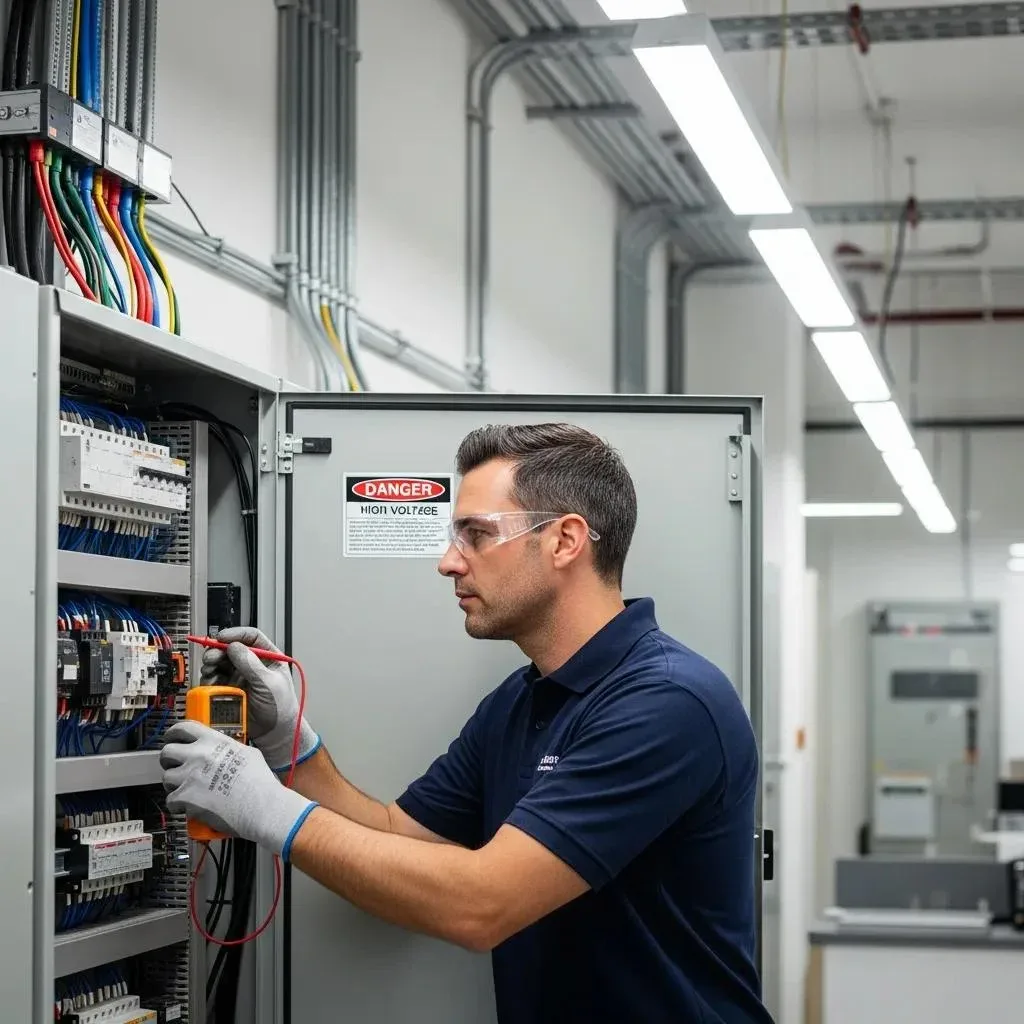
Commercial Electrical System Maintenance in Fresno: Keeping Your Business Safe, Compliant, and Running Smoothly
Commercial electrical system maintenance in Fresno means scheduled inspections, testing, and repairs that keep a business’s electrical infrastructure safe, code-compliant, and reliable. This guide walks you through what routine commercial maintenance covers, how often different property types should be checked, and the clear business advantages of preventative plans—less downtime, lower energy costs, and fewer emergency calls. Aging panels, overloaded circuits, and poorly maintained lighting are common risks here in Fresno; this article describes practical ways to spot those problems and the maintenance paths that reduce them. You’ll find recommended inspection cadences for retail, office, restaurant, warehouse, and manufacturing sites, warning signs that need immediate attention, and how upgrades—like panel capacity increases and LED retrofits—can improve daily operations. The sections below cover definitions and core components, inspection intervals and red flags, plan comparisons and benefits, panel upgrade guidance with trusted brand choices, emergency repair expectations and 24/7 response, plus lighting maintenance and retrofit economics to help Fresno businesses plan and budget.
Comprehensive Commercial Electrical Maintenance in Fresno
Commercial electrical system maintenance is a planned program of inspections, testing, repairs, and recordkeeping that keeps a building’s electrical systems safe, dependable, and NEC-compliant. By finding worn components, loose connections, and load imbalances early, maintenance lowers fire risk, prevents unexpected shutdowns, and helps equipment run efficiently. For business owners and facility managers, that means safer staff and customers, fewer compliance interruptions, and steadier operating costs. Knowing these basics makes it easier to prioritize maintenance that delivers measurable uptime and safety improvements.
Typical commercial maintenance tasks include visual inspections, thermal imaging of connections, circuit testing, panel and breaker checks, emergency lighting tests, and data-cabling assessments. Each task targets parts of the electrical system—panels, circuit breakers, outlets, fixtures, and cabling—to uncover faults manual inspection might miss. These actions reduce hazard likelihood and preserve service continuity, which matters for Fresno businesses with heavy foot traffic or temperature-sensitive operations. The next subsection explains each core component and why it matters.
Electricians in Fresno Today offers commercial electrical maintenance aligned with NEC requirements and local safety expectations, staffed by trained technicians who perform inspections and corrective work. That local option complements the planning and inspection guidance in the sections that follow and gives businesses a practical way to schedule code-based maintenance. The details below show how proactive work prevents downtime and improves safety.
Defining Commercial Electrical Maintenance and Its Key Components
Commercial electrical maintenance combines inspection, testing, preventive replacement, and documentation to sustain system performance and compliance. Inspections check panel labeling, conductor condition, and fixture integrity. Testing tools—thermal imaging and load analysis—reveal hot spots and imbalances before they become failures. Regular checks of GFCI/AFCI devices, grounding continuity, and emergency lighting preserve both everyday usability and life-safety compliance under the NEC. Together these steps form a preventive loop: inspection finds issues, testing measures risk, corrective work removes hazards, and documentation records changes for future audits. Understanding each element helps facility managers set a maintenance cadence that fits building type and operational needs.
How Regular Maintenance Prevents Downtime and Enhances Electrical Safety
Regular maintenance reduces downtime by finding common failure modes—loose lugs, corroded connections, worn breakers, and overloaded circuits—well before they cause trips or outages. Periodic thermal imaging and torque checks reveal high-resistance connections that generate heat under load, so repairs can be scheduled during planned windows rather than during business hours. This proactive approach cuts emergency repairs and replacement costs, protecting revenue and the customer experience. The next section outlines recommended inspection intervals by property type and how to scale frequency based on load and equipment age.
How Often Should Commercial Electrical Systems Be Inspected and Maintained in Fresno?
Inspection frequency depends on property type, equipment load, and system age. Recommended cadences range from quarterly for high-demand facilities to annual or biennial checks for lower-load properties. High-risk locations—commercial kitchens, manufacturing floors, and data centers—benefit from quarterly or semi-annual inspections because heavy use and heat accelerate wear. Lower-risk sites, like small offices, usually manage with annual inspections plus a mid-year visual check. These recommendations help businesses budget maintenance while lowering the chance of surprise failures.
Below is a compact table that maps common commercial property types to suggested inspection intervals and priority checks to help with planning and procurement.
| Property Type | Recommended Interval | Key Checks |
|---|---|---|
| Retail/Showroom | Annual; semi-annual for high foot traffic | Panel labeling, outlet integrity, emergency lighting tests |
| Office Buildings | Annual | Circuit-load review, UPS/emergency system checks, grounding |
| Restaurants / Kitchens | Quarterly | High-temp circuit inspection, GFCI testing, hood power circuits |
| Warehouses / Light Industrial | Semi-annual | Motor starter checks, distribution panel torque, lighting levels |
| Manufacturing / Data Centers | Quarterly | Load balancing, thermal imaging, transfer switch testing |
Recommended Inspection Intervals for Different Commercial Properties
Inspection schedules reflect both how intensively a space is used and how critical the equipment is. Quarterlies are common for manufacturing and restaurants, semi-annual checks work for warehouses and busy retail, and annual inspections suit typical office environments. Increase frequency for older panels, past failures, visible corrosion, or added high-power equipment like new HVAC or production lines. A professional inspection generally begins with a visual survey, continues with thermal imaging of panels and connections, and finishes with circuit testing and documented findings. Adapting intervals to these risk factors prevents surprises and supports capital planning.
Signs Your Commercial Electrical System Needs Immediate Attention
Catching red flags early can prevent hazards and long outages. Treat these symptoms as triggers for immediate evaluation and repair: frequent breaker trips, repeated flickering or dimming lights, burning or ozone smells near panels, sparking at outlets, hot switchgear, and unexplained intermittent outages. Each symptom points to issues—overload, loose connections, insulation failure, or overheating—that can escalate quickly. If you see any of these, isolate affected circuits when safe and call a licensed technician for prompt diagnosis and repair to restore safety and reliability.
What Are the Benefits of Preventative Electrical Maintenance Plans for Fresno Businesses?
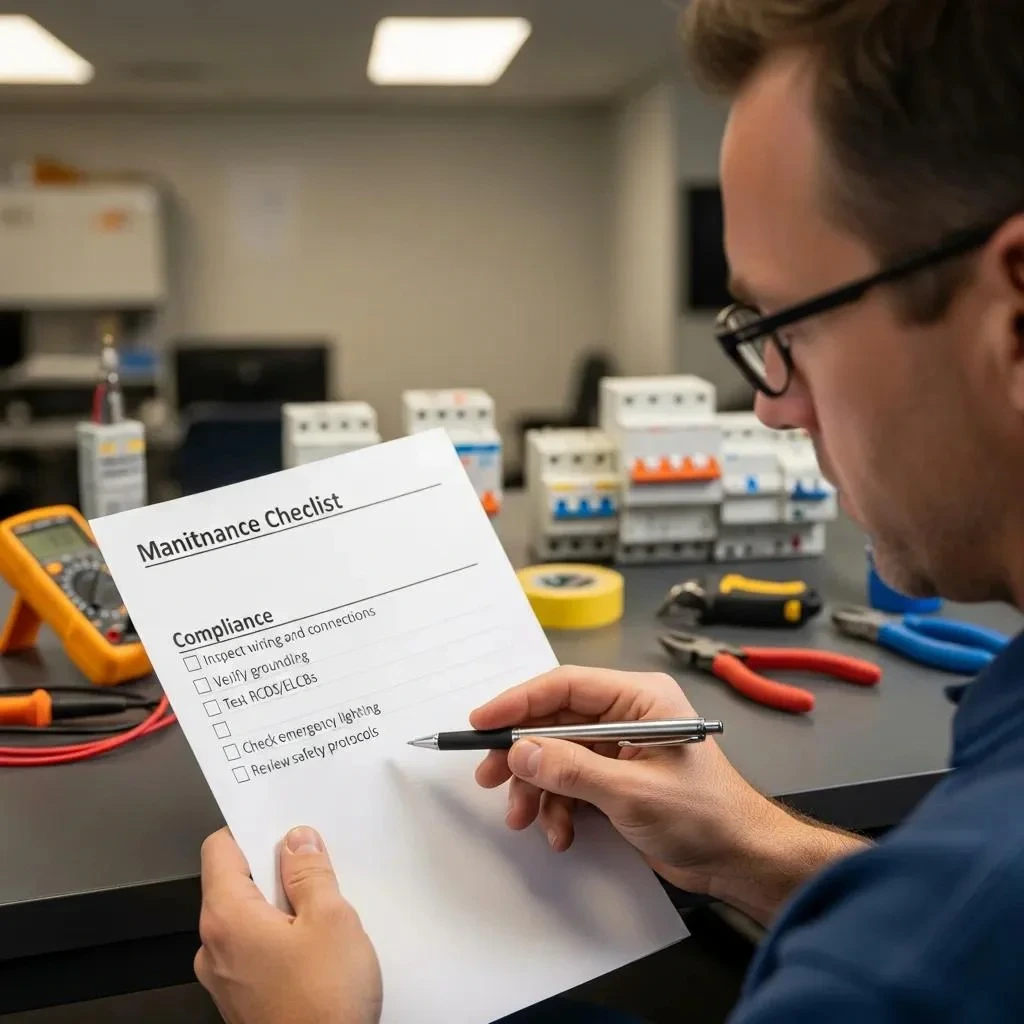
Preventative maintenance plans turn ad-hoc repairs into scheduled work that lowers life-cycle costs, improves energy efficiency, and keeps systems NEC-compliant. Regular inspections reduce emergency calls, extend equipment life, and capture efficiency gains from tasks like tightening connections and upgrading lighting. These plans also build documentation that supports insurance and inspections while giving management visibility into deferred maintenance and replacement timing. The result is steadier operations, fewer surprise expenses, and clearer budgeting for electrical assets.
Below is a comparison table outlining common maintenance plan tiers, the cadence and tasks they include, expected savings, and the property types each level suits best.
| Plan Level | Frequency & Tasks | Typical Savings / Outcome |
|---|---|---|
| Basic | Annual inspection, visual checks, panel labeling | Fewer emergency calls; modest repair cost reduction |
| Standard | Semi-annual inspections, thermal imaging, breaker testing | Reduced downtime, 5–10% energy-related savings |
| Premium | Quarterly checks, load studies, LED retrofit planning | Lowest outage risk, better capacity planning, 10–20%+ energy savings |
Picking the right tier depends on load profile and risk tolerance—higher-demand operations typically recover Premium-plan costs faster through avoided downtime and energy savings.
Electricians in Fresno Today offers scheduled preventative maintenance plans with transparent pricing and trusted-brand components, providing written estimates and licensed technicians to carry out routine tasks and upgrades while keeping systems NEC-compliant. That local option simplifies plan selection and ensures work is completed by professionals familiar with Fresno-area facility needs.
Cost Savings and Energy Efficiency Through Scheduled Maintenance
Routine maintenance and targeted retrofits—especially LED lighting upgrades and power-factor correction—produce measurable drops in utility and maintenance costs. For example, converting high-bay fluorescent fixtures to LED cuts kWh use and lowers lamp-replacement frequency, improving payback in many commercial settings. Track metrics like kWh saved, fewer maintenance hours, and reduced emergency calls to quantify ROI and justify upgrades. Regular cleaning, torque checks, and timely component replacement also reduce resistive losses and keep breakers operating properly, improving overall electrical efficiency.
Ensuring NEC Compliance and Reducing Safety Risks with Preventative Services
Preventative services routinely verify NEC items—proper panel labeling, grounding and bonding integrity, GFCI/AFCI operation, and emergency lighting performance—cutting the risk of code violations and liability. Maintenance records create an audit trail for inspectors and insurers, supporting claims and showing due diligence. By addressing compliance proactively, businesses reduce the chance of enforcement actions or expensive retrofits after an incident.
| Maintenance Plan | Included Tasks | Ideal Property Types |
|---|---|---|
| Basic | Visual inspection, circuit labeling, minor repairs | Small offices, low-load retail |
| Standard | Thermal imaging, breaker testing, emergency lighting checks | Medium offices, retail, warehouses |
| Premium | Load study, phased upgrades, LED retrofit planning | Restaurants, manufacturing, data centers |
How Do Commercial Electrical Panel Upgrades Improve Business Operations in Fresno?
Panel upgrades boost capacity, modernize protection, and reduce overload trips—helping equipment, HVAC, and production lines run reliably. Replacing old components with modern breakers and enclosures improves safety, strengthens bus bar integrity, and makes labeling and surge protection clearer. The right-sized panel prevents nuisance trips, lets you sequence loads better, and cuts unplanned downtime that hurts productivity and revenue. The subsections below cover when to upgrade and which brands are trusted for reliable installs.
Upgrades usually follow a load study that measures current and projected demand, checks spare capacity, and recommends phased or full replacement to meet NEC and operational needs. Panels can be upgraded to include transfer switches or coordinated with backup power to boost outage resilience. The next subsection lists common upgrade triggers and an evaluation process to guide decisions.
After an upgrade, businesses enjoy better fault coordination and space to add circuits without constant rework, which simplifies expansion and shortens installation timelines for new equipment. Strategic upgrades therefore support growth planning and operational continuity for Fresno facilities.
When to Consider Upgrading Your Electrical Panels and Capacity
Consider a panel upgrade if you have frequent breaker trips, need more dedicated circuits for new equipment, see panel overheating, or don’t have safe space to add circuits. A professional evaluation starts with a load calculation, inspects the existing panel condition, and projects future electrical needs. Phased upgrades—circuit redistribution and selective breaker replacement—can be a cost-effective interim fix before a full replacement. Full upgrades address long-term capacity and safety concerns comprehensively, letting you prioritize work that delivers the best operational value for the cost.
Trusted Brands and Technologies Used in Commercial Panel Upgrades
Brand choice matters for parts availability, compatibility, and long-term performance. Common, trusted names for commercial panels and breakers include Siemens, Leviton, Eaton, and Generac for generator integration; Philips is primarily known for lighting products rather than panels or breakers. Picking recognized manufacturers helps ensure replacement parts and compatible breakers are accessible and that installations meet expected reliability standards. Electricians in Fresno Today uses trusted-brand components to balance durability and code compliance, reducing risk and simplifying future serviceability.
| Upgrade Type | Benefit | Operational Impact |
|---|---|---|
| Capacity Increase | Supports additional equipment | Reduces overload trips; enables growth |
| Main Breaker Replacement | Restores protective function | Improves safety; reduces nuisance trips |
| Integration with Backup Power | Maintains operations during outage | Minimizes downtime; supports critical loads |
What Emergency Commercial Electrical Repair Services Are Available in Fresno?
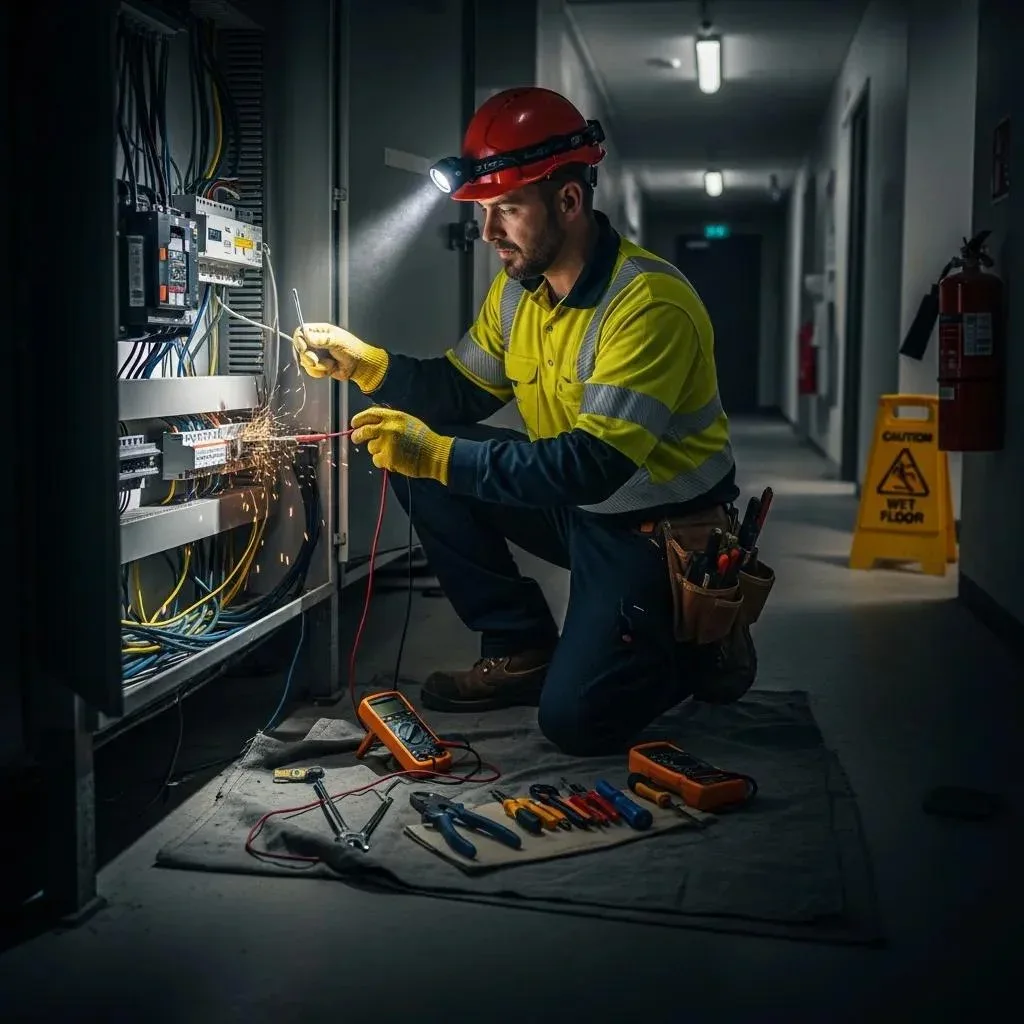
Emergency commercial electrical repairs address immediate hazards and restore service after incidents like panel failures, exposed live wiring, partial outages, or major equipment trips. Emergency response follows a triage sequence: isolate the hazard to protect people, perform temporary stabilization if needed, and then implement permanent repairs once a safe plan is in place. Fast, effective emergency work minimizes business interruption, protects property and staff, and prevents escalation into larger incidents. The next subsection describes common emergencies and typical short- and long-term fixes.
Common emergency services include temporary power routing, emergency breaker replacement, isolation of damaged circuits, and expedited parts sourcing to restore essential loads. Technicians prioritize life-safety circuits—egress lighting, fire systems, and emergency power—before noncritical loads. A coordinated emergency approach limits immediate risk and sets up the scope for permanent remediation. The following section explains what to expect from 24/7 licensed response in Fresno.
Electricians in Fresno Today provides licensed technicians for emergency repairs and emphasizes 24/7 availability as part of its model, so businesses can access code-compliant, professional help when urgent electrical failures occur. This local emergency capability complements the guidance on common emergencies and response steps below.
Common Commercial Electrical Emergencies and Rapid Response Solutions
Commercial emergencies include full or partial power loss, main breakers that won’t reset, exposed wiring after damage, burning or smoke from electrical equipment, and failed panels or transfer switches. Immediate steps include de-energizing affected circuits if safe, isolating areas from staff and customers, and employing temporary measures—temporary feeders or portable power—to keep critical systems running. Permanent solutions follow diagnostics and may involve breaker replacement, rewiring, or panel upgrades to eliminate the root cause. Prioritizing safety and a controlled repair sequence prevents recurrence and reduces long-term costs.
24/7 Licensed Electricians Ready for Emergency Repairs in Fresno
Having licensed electricians available around the clock ensures emergencies are handled by personnel authorized to perform safe, code-compliant repairs at any hour. Licensing means technicians meet state standards and that work follows NEC requirements for safety and documentation. When you call for emergency service, expect an initial remote triage, a safety-focused temporary stabilization on arrival, and a written plan and estimate for permanent repair. Relying on licensed responders lowers liability and gets you back to normal operations faster.
How Does Commercial Lighting Maintenance and Retrofits Benefit Fresno Businesses?
Well-maintained lighting and LED retrofits cut operating costs, improve workplace safety, and make it easier to meet code requirements for emergency and exit lighting. Regular cleaning, lamp replacement, ballast or driver checks, and emergency lighting tests keep illumination levels where they should be and ensure egress pathways remain visible during power loss. LED retrofits save energy and last longer than legacy lamps, reducing both utility and maintenance expenses while improving light quality for productivity and security. The next subsections give retrofit ROI examples and a practical maintenance checklist.
Energy-Efficient LED Lighting Retrofits and Their Impact on Operational Costs
LED retrofits commonly reduce lighting energy use by 30–70%, depending on the existing technology and fixture type, and they greatly extend lamp-replacement intervals compared with HID or fluorescent systems. For example, converting a 100-fixture retail area from fluorescent to LED can cut annual kWh by more than half and typically pays back in two to four years when maintenance savings are included. Track kWh saved, maintenance hours reduced, and payback period to validate retrofit choices and plan phased rollouts that spread capital expenses.
Maintaining Commercial Lighting Systems for Safety and Compliance
Routine lighting maintenance includes cleaning lenses and fixtures, replacing failed drivers and lamps, testing and exercising emergency and exit lights, and keeping records of compliance-related tests. These tasks ensure required illumination levels and keep egress routes visible during outages, meeting code and insurance expectations. A practical schedule might include visual inspections quarterly, emergency test exercises semi-annually, and full audits annually to maintain reliable, compliant lighting systems.
- Routine Cleaning: Remove dust and contaminants to preserve lumen output and prevent overheating.
- Component Replacement: Swap drivers, ballasts, and lamps before they fail catastrophically.
- Emergency Testing: Exercise emergency lighting and exit signs per schedule to verify egress reliability.
Regular maintenance keeps fixtures performing, lowers liability, and simplifies planning. The next section of this guide offered implementation tips and provider selection criteria to help Fresno businesses take action.
Frequently Asked Questions
What are the signs that my commercial electrical system needs immediate attention?
Watch for frequent breaker trips, flickering or dimming lights, burning or ozone smells near panels, hot switchgear, or sparking at outlets. These signs point to overloads, loose connections, or insulation issues that can quickly become serious. If you notice any of these, isolate the affected circuits if it’s safe and call a licensed technician right away for diagnosis and repair.
How can preventative maintenance plans save my business money?
Preventative maintenance reduces costs by converting reactive repairs into planned work. Regular inspections and upkeep lower emergency-call frequency, extend equipment life, and capture energy savings through measures like LED retrofits and tightened connections. The documentation these plans generate also supports insurance and compliance needs, making expenses more predictable and reducing unexpected repair bills.
What types of commercial properties benefit most from electrical maintenance?
All commercial properties benefit from maintenance, but frequency varies by risk. High-demand places—manufacturing, commercial kitchens, and data centers—typically need quarterly or semi-annual checks because heavy loads accelerate wear. Lower-risk sites, such as small offices, may be fine with annual inspections. Tailoring the plan to your property’s operations helps allocate budget effectively and lowers the risk of sudden failures.
What should I expect during an emergency electrical repair service?
Expect a licensed technician to follow a triage-first approach: isolate hazards, stabilize the situation temporarily if needed, and then implement permanent repairs once a safe plan is in place. Life-safety systems like emergency lighting and fire circuits get priority, followed by noncritical loads. The technician should provide a clear repair plan and estimate so you understand next steps.
How do LED retrofits impact operational costs for businesses?
LED retrofits can cut lighting energy use by 30–70%, depending on the existing setup, and they significantly reduce how often lamps need replacing. That translates to lower electricity bills and less maintenance labor. For many businesses, the combined savings yield a two- to four-year payback on retrofit projects—metrics like kWh saved and reduced maintenance hours help make the business case.
What are the benefits of upgrading electrical panels in commercial settings?
Upgrading panels improves safety and reliability by increasing capacity, modernizing protection, and reducing overload trips. A correctly sized panel helps prevent nuisance trips, supports new equipment and HVAC, and makes future circuit additions easier. Upgrades also improve fault coordination and support business growth by reducing downtime and simplifying expansions.
How often should I schedule inspections for my commercial electrical system?
Inspection frequency depends on property type, equipment load, and system age. High-demand facilities—manufacturing plants and restaurants—typically require quarterly or semi-annual inspections, while lower-risk properties such as small offices may need annual checks. Regular inspections catch issues early, letting you plan maintenance and avoid unexpected failures.
DISCLAIMER This site is designed to assist homeowners in connecting with electrician service contractors. All electrical contractors are independent and this site does not warrant or guarantee any work performed. It is the responsibility of the homeowner to verify that the hired electrical service contractor furnishes the necessary license and insurance required for the work being performed. All persons depicted in a photo may be actors or models and not contractors listed on this site.