

Reliable Emergency Electricians for Fresno Commercial Needs
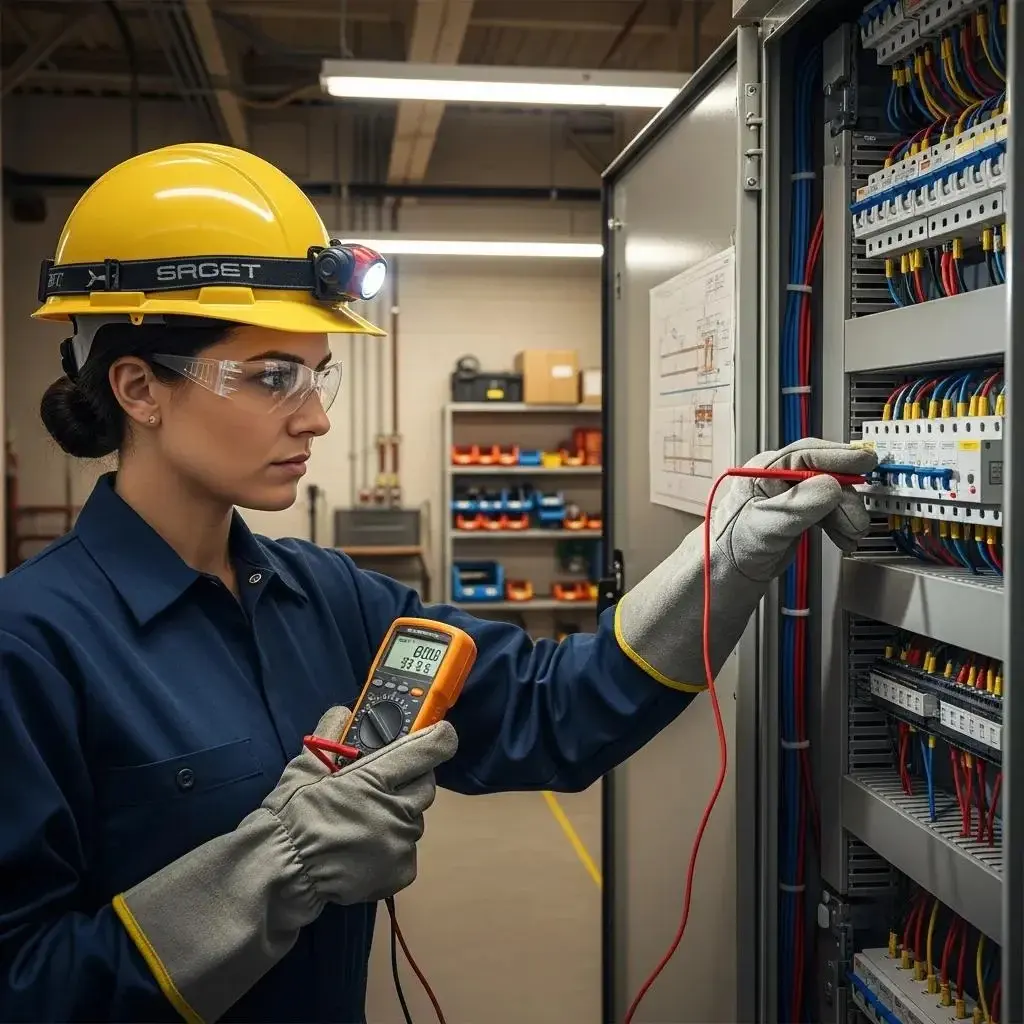
24/7 Emergency Commercial Electrical Repair in Fresno — Fast, Safe Power Restoration for Your Business
When a power failure hits your Fresno business, you need dependable 24/7 commercial electrical repair that gets you back up quickly and safely. Our emergency service sends licensed technicians fast to diagnose problems on site, isolate hazards, and put in temporary or permanent repairs to cut downtime and reduce risk. Read on to learn which situations count as emergencies, how our techs triage and restore power, common fixes for panels and wiring, and how scheduled maintenance prevents repeat breakdowns. We’ll also walk through our rapid-response workflow — safety first, NEC/NFPA‑compliant work, and clear documentation — and explain how maintenance plans lower long‑term costs and interruptions. Throughout, local search phrases like emergency commercial electrician Fresno, business power outage Fresno, and commercial electrical system failure Fresno are used to help facility managers and operations teams find practical, actionable guidance. If you run a restaurant, retail location, warehouse, or data center, this guide explains what to spot, what technicians will do first, and how to prepare your site for a faster recovery.
What Are Common Commercial Electrical Emergencies in Fresno?
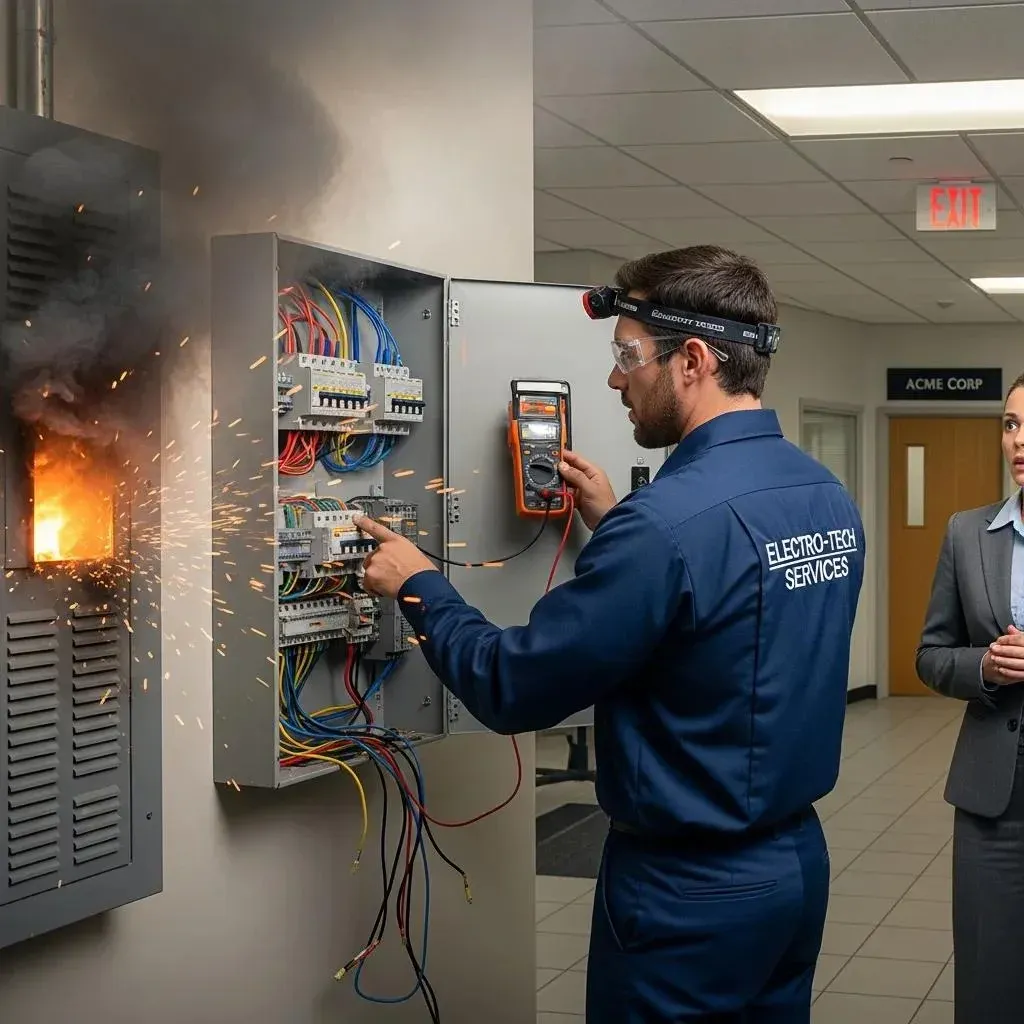
Commercial electrical emergencies are sudden failures that endanger people, critical equipment, or business operations and demand immediate attention. Typical emergencies include total building outages that knock out multiple circuits, persistent arcing or sparking at panels, burning smells or visible smoke from electrical gear, breakers that trip repeatedly under load, and generator transfer failures during outages. Each of these can lead to fire, equipment loss, spoiled inventory for temperature‑sensitive businesses, or immediate revenue loss for retail and service providers. Spotting the right symptoms helps facility managers prioritize responses and give dispatchers the details technicians need to arrive prepared.
The quickest way to decide whether to call 24/7 emergency services is to classify key symptoms and follow a fast reporting routine. Below are high‑priority warning signs and the typical impacts businesses in Fresno may see.
- Total loss of building power affecting critical systems and operations.
- Persistent burning smells or visible smoke from electrical equipment.
- Repeated or continuous arcing, sparking, or burning at panels or junctions.
- Hot or warped electrical panels, breakers, or exposed live conductors.
- Failure of life‑safety circuits, fire alarm interfaces, or emergency lighting.
These indicators point to immediate danger or operational criticality and justify dispatching emergency electricians right away. Recognizing them speeds the triage steps technicians follow on arrival to assess and isolate hazards.
Which Electrical Issues Require Immediate Commercial Repair?
Immediate commercial repair is required when a fault threatens safety or stops essential operations — for example, visible smoke, exposed live conductors, or a total loss of power to critical systems. Our technicians triage by priority: life‑safety systems and fire‑ or refrigeration‑dependent loads come first, followed by distribution faults that could damage equipment. If you smell burning or see smoke, evacuate affected areas, call emergency services if a fire is suspected, and only shut off main power if it’s safe. Reporting exact symptoms, circuit labels, and which areas are affected helps dispatchers send the right tools and replacement parts, shortening repair time.
Initial triage also includes temporary mitigations: isolating the affected feeder, applying lockout/tagout, and setting up temporary power feeds where safe. Those steps stabilize the site and pave the way for permanent, code‑compliant repairs.
How Do Power Outages and Faulty Wiring Impact Fresno Businesses?
Outages and wiring faults produce direct financial losses and secondary safety liabilities that differ by industry. Restaurants and food service risk spoiled inventory and interrupted service, which equals lost revenue and waste. Data centers and medical facilities face data loss, equipment damage, and regulatory consequences even after brief interruptions. Retail locations may lose sales, experience payment processing failures, and create safety hazards during dark hours. Warehouses and manufacturers can see production stoppages and equipment damage from voltage imbalances. Each scenario carries measurable downtime costs and insurance implications.
Putting dollar values on these impacts encourages proactive planning — for example, knowing refrigerated inventory is at immediate risk makes generator readiness and fast response essential. That assessment helps prioritize emergency dispatch and choose temporary power strategies that keep critical systems running until permanent repairs are completed.
What 24/7 Emergency Commercial Electrical Repair Services Do We Offer in Fresno?
Our emergency commercial electrical services cover urgent faults across your facility’s distribution system, focusing on safe restoration and code‑compliant permanent fixes. Core services include commercial power outage restoration, panel and breaker repair or temporary bypass, faulty wiring diagnosis and repair, emergency generator assessment and hookup, and NEC/NFPA‑compliant corrective work to return systems to safe operation. Our technicians use rapid diagnostic tools, temporary power solutions, and replacement parts from trusted industrial brands to deliver reliable, compliant results.
Below is a compact comparison of common services, expected response windows, and typical impact.
| Service Type | Typical Response Time | Typical Impact |
|---|---|---|
| Power outage restoration | 1–4 hours (target) | Restores full operations or critical loads |
| Panel and breaker repair | 1–6 hours (depends on parts) | Eliminates nuisance trips; prevents fire |
| Faulty wiring diagnosis/repair | 2–8 hours | Eliminates arcing and shock hazards |
| Emergency generator hookup | 1–3 hours | Maintains refrigeration/critical loads |
How Do We Restore Commercial Power Outages Quickly?
Fast power restoration follows a safety‑first workflow: isolate the fault, get critical loads back on, and put in temporary power if needed. We start with remote triage and guidance for on‑site staff, then perform an immediate safety assessment and isolate the affected circuit. If the utility is out, we prioritize generator transfer or a temporary distribution setup to protect essential systems. Diagnostics then identify root causes — overloaded feeders, failed breakers, or damaged wiring — and technicians implement repairs or safe temporary bypasses while documenting required permanent work. Final steps are functional testing and NEC/NFPA verification before handing systems back to facility managers.
- Collect incident details and on‑site safety status from the caller.
- Isolate the affected zone and apply lockout/tagout.
- Provide temporary power to critical systems (generators/load shedding).
- Diagnose root cause and perform permanent repair or replacement.
- Test, verify, and document fixes with follow‑up compliance notes.
These steps create a repeatable path that minimizes downtime, keeps people safe, and prepares the site for any permits or longer‑term upgrades.
What Are Our Solutions for Circuit Breaker and Panel Repairs?
Panel and breaker repairs begin with thermal and visual inspections to find overheated bus bars, loose connections, or worn breaker contacts that cause nuisance trips and fire risk. Technicians decide whether to repair or replace based on condition, age, and NEC compliance: a failed breaker or corroded bus typically needs replacement, while tightened connections and cleaning can be temporary fixes. We can isolate affected circuits or install a temporary distribution panel to keep operations running while parts are sourced. Common replacement brands we trust include Siemens, Eaton, and Leviton to ensure compatibility and long‑term reliability.
A clear decision framework and documented repairs make sure permanent fixes meet code and reduce recurrence, which naturally leads into inspection and preventative maintenance to avoid repeat failures.
Why Choose Electricians in Fresno Today for Your Commercial Electrical Emergency?
Choosing a qualified emergency electrical contractor delivers fast, code‑compliant repairs with transparent pricing and calm communication during stressful outages. Electricians in Fresno Today offers 24/7 dispatch of licensed, certified technicians who follow NEC and NFPA standards, put safety first, and provide clear estimates after on‑site assessment. Our local knowledge of Fresno County infrastructure, same‑day response capability, and use of industry‑standard parts help reduce downtime and give you confidence when failures occur. For businesses, that means faster restorations, documented compliance, and practical temporary solutions that keep critical services running while permanent repairs are scheduled.
Those trust signals and operational guarantees set the stage for how our licensed technicians maintain NEC compliance during emergency work.
How Do Licensed and Certified Electricians Ensure NEC Compliance?
Licensed, certified electricians follow NEC and NFPA 70 principles during emergencies by using standardized inspection checkpoints and maintaining documentation even for temporary repairs. Key checks include verifying conductor ampacity, confirming correct overcurrent device selection, ensuring grounding and bonding integrity, and documenting any temporary wiring or bypasses that need follow‑up corrective work. Technicians also advise on permit requirements and coordinate with local authorities for mandated inspections. This disciplined approach reduces liability and ensures emergency fixes transition into permanent, code‑compliant repairs with supporting paperwork.
Knowing these compliance steps clarifies why professional intervention matters and sets expectations around service scope and costs.
What Makes Our 24/7 Availability and Transparent Pricing Unique?
Our 24/7 availability means live dispatch intake at any hour, priority emergency routing, and technicians equipped for immediate diagnostics and temporary power setups. Transparent pricing starts with a clear, written estimate after on‑site assessment, explains any emergency surcharges, and itemizes parts and labor so facility managers can evaluate options quickly. For businesses that need predictability, this approach reduces uncertainty about repair scope and cost while ensuring safety and continuity. Warranties and follow‑up service terms are documented at close‑out to provide assurance during post‑repair validation.
This operational transparency helps facility teams make informed decisions during outages and prepares them for the rapid‑response steps described next.
How Does Our Rapid Response Process Minimize Business Downtime in Fresno?
Our rapid response process shortens outages by combining efficient call intake, prioritized dispatch, on‑site stabilization, and fast repair planning so critical loads are restored before full operations resume. We begin with a structured intake that captures precise location, affected systems, and safety flags, then dispatch the nearest certified technician with the right parts. On arrival, the technician performs a focused safety assessment, isolates hazards, implements temporary power if needed, and runs diagnostics to scope permanent repairs. After repairs, we test and verify against NEC/NFPA requirements and provide documentation for your records. This end‑to‑end sequence reduces interruption time and preserves business continuity.
To make the workflow easier to scan, the table below summarizes call stages, actions, and the typical information captured at each step.
| Call Stage | Key Actions | Typical Information Captured |
|---|---|---|
| Call Intake | Triage and dispatch | Location, outage description, safety hazards |
| En route | Parts & PPE selection | Technician ETA, required replacement parts |
| On-site assessment | Safety isolation & diagnostics | Fault location, affected loads, temporary power plan |
| Repair & verification | Permanent repair or temporary mitigation | Test results, NEC/NFPA checks, documentation |
What Are the Steps from Emergency Call to Repair Completion?
From initial call to completion, our process assigns responsibilities and expected time ranges to avoid wasted time and repeat visits. Call intake captures location and safety concerns so dispatch can preload the technician’s vehicle with common parts. On arrival the tech conducts a safety triage, applies lockout/tagout, and stabilizes the site with temporary power or isolation as needed. After isolating the fault, diagnostics identify root causes and the technician performs repairs or replacements, followed by testing and documentation. Final actions include communicating results to the client, scheduling any follow‑up permanent work, and providing written verification that systems were restored safely.
These clear steps shorten decision loops, reduce downtime, and ensure a clean handoff between emergency response and longer‑term maintenance planning.
How Do We Prioritize Safety and Efficiency During Repairs?
We prioritize safety and efficiency by following established protocols — PPE, lockout/tagout, voltage verification, and thermal imaging — while coordinating with facility staff to limit operational disruption. Technicians use targeted diagnostic tools that speed fault location and reduce unnecessary outages, sequencing work to restore critical loads first. Clear communication with on‑site staff about which circuits to avoid and when systems will be off minimizes surprises and keeps operations functional where possible. Documenting safety checks and temporary measures ensures efficiency gains do not compromise compliance or future traceability.
| Phase | Safety Focus | Efficiency Outcome |
|---|---|---|
| Pre-dispatch | Confirm hazards and PPE | Appropriate crew & parts dispatched |
| On-site | Lockout/tagout and voltage checks | Safer, faster diagnostics |
| Repair | Thermal imaging and load checks | Targeted fixes, fewer repeat visits |
This table highlights how systematic safety checks cut downtime for businesses.
How Can Preventative Maintenance Help Avoid Future Commercial Electrical Emergencies?
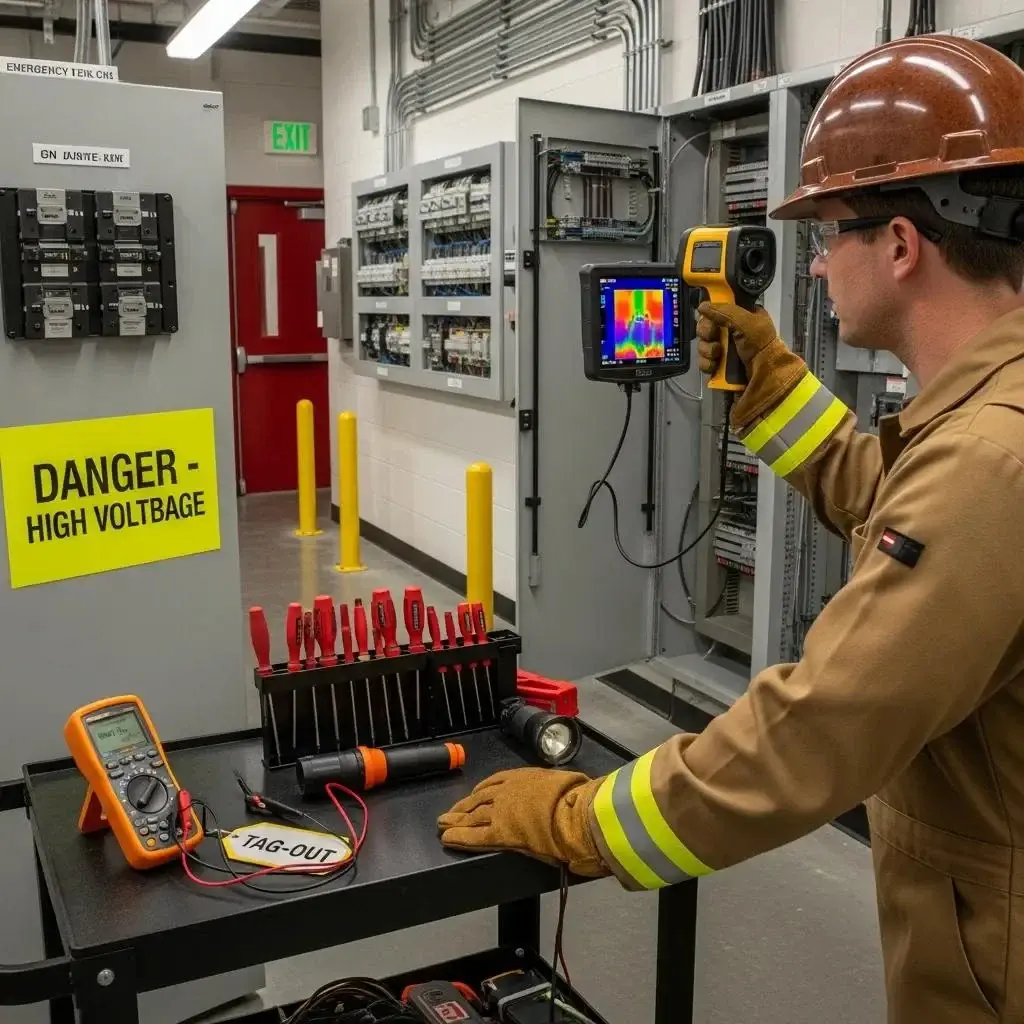
Preventative maintenance stops many emergencies before they start by catching heat, loose connections, overloads, and aging components early. Regular services like infrared thermal imaging, load studies, circuit labeling, and breaker servicing reveal issues that later show up as outages or fire hazards. A risk‑based maintenance program schedules repairs and upgrades during planned downtime so you avoid emergency calls. These measures are usually far more cost‑effective than emergency response and the revenue loss that comes with unplanned outages.
Below is a quick comparison of common maintenance tasks, recommended frequency, and the reliability benefits each delivers.
| Maintenance Task | Recommended Frequency | Expected Benefit |
|---|---|---|
| Infrared thermal inspections | Annually or after high‑load seasons | Detects hot spots before failure |
| Load analysis and balancing | Every 1–2 years | Prevents overload‑related trips |
| Breaker and panel preventive servicing | Annually | Reduces nuisance trips and fire risk |
This comparison helps facility managers prioritize work that reduces emergency likelihood and supports budgeting for maintenance plans.
What Maintenance Services Reduce Risk of Electrical Failures?
High‑impact maintenance services include infrared thermal imaging to find overloaded conductors, scheduled torque and connection checks on panels to prevent heating, load analysis to rebalance circuits and avoid chronic overloads, and routine testing of transfer switches and generators to confirm emergency power readiness. Each service targets a common failure mode — loose connections, overloaded feeders, or component degradation. These preventative actions extend equipment life, improve energy efficiency, and lower the frequency and cost of emergency repairs. A risk‑based maintenance schedule ensures you address the highest‑value tasks first, cutting both incidents and insurance exposure.
These maintenance choices naturally support inspection protocols that document compliance and remediation priorities.
How Does Regular Inspection Support Business Safety and Compliance?
Regular inspections produce actionable reports that rank findings by severity and recommend remediation timelines, which helps with permit workflows and insurance requirements. Inspectors document deficiencies like improper grounding, undersized conductors, or insufficient overcurrent protection, then recommend prioritized corrective actions aligned with NEC/NFPA standards. These reports create an audit trail for insurers and regulators, demonstrating proactive risk management and reducing liability. Scheduling remediation during planned windows helps businesses avoid the higher costs and disruption of emergency repairs while staying compliant.
This inspection‑driven approach reinforces the value of preventative maintenance and completes the loop back to emergency readiness and rapid response effectiveness.
Frequently Asked Questions
What should businesses do to prepare for a potential electrical emergency?
Prepare by running regular safety drills and making sure staff know emergency procedures: where exits are, how to report issues, and who to contact. Keep an updated list of critical phone numbers — including your emergency electrician — and maintain regular electrical inspections and preventative maintenance so problems are caught early. Clear roles and a communication plan speed response and keep employees and customers safer.
How can businesses minimize the impact of electrical outages on operations?
Minimize impact by investing in backup power like generators or UPS systems and maintaining them regularly so they work when needed. Build a business continuity plan that outlines how to maintain essential functions during an outage and train staff on those procedures. Regular drills and a clear recovery checklist help everyone execute quickly when power fails.
What are the costs associated with emergency electrical repairs?
Costs vary by severity, time of day, and required parts and labor. Emergency rates are typically higher because of the immediate response and the need for specialized parts or overtime. Expect diagnostic fees, labor, and replacement parts. Discuss pricing up front and ask for an itemized estimate whenever possible to manage financial expectations during an emergency.
How can businesses ensure compliance with electrical safety regulations?
Ensure compliance by hiring licensed electricians for all electrical work and scheduling regular inspections. Stay current with the National Electrical Code (NEC) and local rules. Maintain records of inspections, repairs, and upgrades, and train staff in basic electrical safety. Proper documentation and proactive maintenance reduce compliance risk and liability.
What role does documentation play in emergency electrical repairs?
Documentation is critical: it records the incident, actions taken, parts replaced, and any temporary measures. Good records support insurance claims, simplify follow‑up repairs, and prove code compliance. They also help plan future maintenance and prevent repeat issues.
How can businesses choose the right emergency electrical service provider?
Choose a provider with licenses, insurance, and commercial experience. Check references and reviews, and ask about response times, 24/7 availability, and pricing transparency. A reliable provider will offer clear communication, detailed estimates, and documented follow‑up — all of which reduce downtime and operational disruption.
What Qualifies as a Commercial Electrical Emergency?
A commercial electrical emergency exists when an issue poses immediate danger, causes total loss of critical systems, or risks significant property or inventory loss. Immediate danger signs include visible smoke, burning odors, arcing or sparking, exposed live conductors, and failure of life‑safety circuits or refrigeration for perishables. Operational emergencies include total building power loss affecting multiple critical systems or catastrophic equipment failures that halt production. When these conditions occur, call a 24/7 emergency commercial electrician to stabilize and repair the problem quickly.
Clear qualification criteria help facility managers decide when to escalate to emergency services and what initial safety steps to take.
How Quickly Can We Respond to Your Business Electrical Emergency?
Typical target response times range from 1 to 4 hours depending on distance, time of day, traffic, and parts availability; life‑safety calls may receive same‑hour dispatch. Response is faster when callers give precise location, circuit labels, and a clear symptom description so dispatch can send technicians with the right tools and parts. For Fresno County businesses, Electricians in Fresno Today operates 24/7 dispatch with licensed technicians and aims to provide fast, transparent emergency service — have our dispatch number ready when you call.
Knowing these variables helps operations teams set realistic expectations and provide the information that accelerates restoration.
DISCLAIMER This site is designed to assist homeowners in connecting with electrician service contractors. All electrical contractors are independent and this site does not warrant or guarantee any work performed. It is the responsibility of the homeowner to verify that the hired electrical service contractor furnishes the necessary license and insurance required for the work being performed. All persons depicted in a photo may be actors or models and not contractors listed on this site.