

How Much Does Whole-House Rewiring Cost in Fresno?
How Much Does Whole-House Rewiring Cost in Fresno? Your Complete Guide
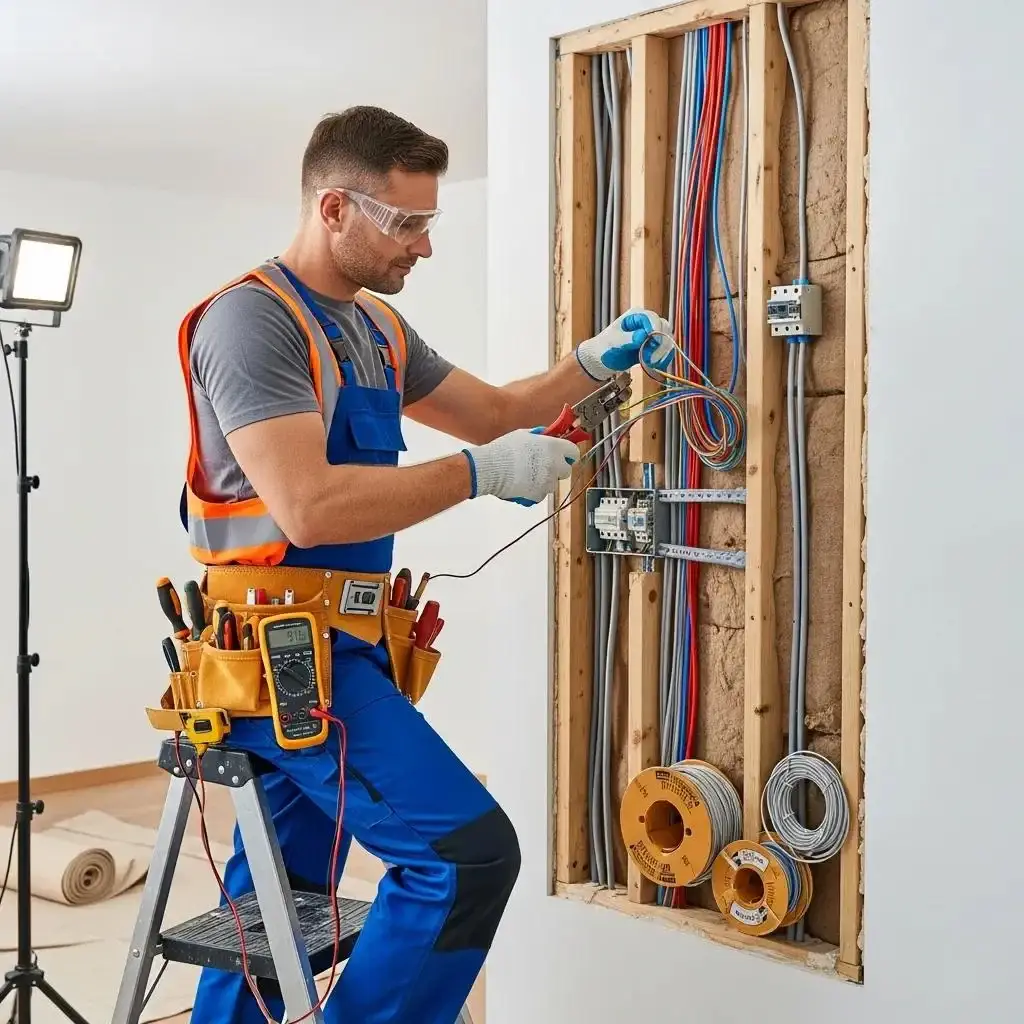
Whole-house rewiring means replacing a home’s branch circuits, wiring, and often the electrical panel so the system meets modern safety standards and power demands. In Fresno, costs vary widely with home size, wiring type, and job complexity — this guide walks you through typical price bands, common add-ons, safety and resale benefits, plus per-square-foot estimates you can use when budgeting. You’ll also find how home size and existing wiring affect price, a clear step‑by‑step overview of the rewiring process, expected timelines, and financing options to plan your project. We’ve also included red flags that suggest your Fresno property needs rewiring and explained when a panel upgrade is usually part of a full electrical overhaul. Keywords like whole house rewiring cost Fresno CA, electrical upgrade price Fresno, and electrical panel upgrade cost Fresno are used naturally to help you compare estimates and talk confidently with licensed electricians.
What Are the Average Whole-House Rewiring Costs in Fresno, CA?

Rewiring costs in Fresno depend on home size, how easy it is to access the cavities, and whether you need a panel upgrade. Project totals typically run from the low thousands up into the tens of thousands. Labor and materials make up most of the price because licensed electricians replace branch circuits, add modern grounding and protection, and pull city permits to meet code. Common extras that raise a quote include panel replacement, drywall repair and painting where cables were run, new outlets and switches, and City of Fresno permit and inspection fees. Knowing these usual add‑ons helps you compare written estimates and avoid surprises when defining scope and budget.
This table groups typical Fresno cost ranges by home size and gives per‑square‑foot guidance to simplify initial budgeting.
| Home Size (sq ft) | Typical Total Rewiring Cost (Fresno) | Typical Cost per sq ft |
|---|---|---|
| Under 1,500 | $8,000 – $16,000 | $5.00 – $11.00 |
| 1,500 – 2,500 | $12,000 – $25,000 | $6.50 – $12.50 |
| Over 2,500 | $20,000 – $40,000+ | $7.00 – $16.00 |
Smaller homes often show a higher per‑square‑foot cost because fixed mobilization and permit fees are the same regardless of size. Below are the most common predictable add‑ons to expect when reviewing estimates.
- Panel upgrade: Frequently required with full rewires; moving from older 100A service to 200A adds material and labor cost.
- Drywall and finish restoration: Patching and painting after wiring runs increases labor and materials.
- Permits and inspections: City permit fees and mandatory inspections ensure NEC compliance and homeowner safety.
These typical add‑ons explain much of the variance between low and high quotes and give you a checklist when comparing bids. If you want a risk‑free, written quote with clear breakdowns for labor, permits, and materials, Electricians in Fresno Today connects you with local licensed technicians who include NEC requirements in every proposal.
How Does Home Size Affect Rewiring Cost in Fresno?
Home size drives quantities of wire and labor hours: larger homes need more cable, longer runs, and extra branch circuits for rooms and appliances. A 1,500 sq ft bungalow may need fewer circuits and less drywall repair than a 2,500 sq ft two‑story house, which often requires subpanels, longer conduit paths, and more outlets for modern loads. Accessibility affects per‑square‑foot pricing too — open attics or basements reduce labor time, while finished walls that must be chased and repaired add restoration costs. When estimating, electricians often show unit costs (wire, outlets, breakers) multiplied by circuit count so you can see how home size scales the final price.
Size‑related cost differences lead directly into another major influence: the existing wiring type and overall condition, which can change labor complexity and safety requirements.
What Key Factors Influence Whole-House Rewiring Prices?
Several variables change a rewiring quote; understanding them helps you evaluate offers and set priorities. The biggest factors are existing wiring type (knob‑and‑tube or aluminum need careful handling), whether the panel needs upgrading, the extent of finish restoration, local labor rates, and permit/inspection fees from the City of Fresno. Accessibility, the number of devices (outlets, switches, fixtures), and desired upgrades such as AFCI/GFCI protection or EV charger readiness also affect parts and labor totals. Good estimators break these items into line entries so you can compare labor hours, material costs, and permit fees across bids.
Knowing these variables prepares you to ask focused questions when reviewing quotes and to request itemized estimates that separate labor, parts, and permits.
What Are the Common Signs Your Fresno Home Needs Whole-House Rewiring?
Warning signs that suggest outdated or unsafe wiring include lights that flicker when heavy appliances run, warm or discolored outlets and switches, frequent breaker trips or blown fuses, burning or chemical odors near receptacles or the panel, and visible knob‑and‑tube or aluminum wiring in older homes. These symptoms often point to degraded insulation, loose connections, or undersized conductors — all of which raise shock or fire risk. If you notice any of these signs, schedule an inspection with a licensed electrician right away to diagnose the problem and prioritize repairs or a full rewiring if multiple circuits and the panel are compromised.
Use the quick symptom-to-likely-cause table below to triage issues you see and decide the right next step.
| Symptom | Likely Cause | Recommended Action |
|---|---|---|
| Flickering lights during appliance use | Overloaded circuits or loose connections | Schedule electrical inspection and load analysis |
| Warm or discolored outlet/switch | Loose connections or degraded wiring insulation | Turn off circuit and call electrician immediately |
| Frequent breaker trips | Undersized circuits or overloaded panel | Inspect panel and consider circuit redistribution or upgrade |
These mappings help homeowners decide immediate steps; severe signs like burning smells require emergency attention and turning off affected circuits until a professional evaluates them. If you’re unsure where to start, request a written, itemized inspection report to prioritize safety fixes and compare rewiring estimates.
Which Electrical Issues Indicate Outdated or Unsafe Wiring?
Some failure patterns point clearly to aging systems that don’t meet today’s safety standards and often justify a full rewire. Repeated breaker trips or relying on fuses indicate persistent overloads or poor circuit distribution. Warm or sparking outlets and switches suggest loose connections or deteriorated insulation that increase fire risk. Visible knob‑and‑tube or cloth‑insulated wiring usually lacks grounding and won’t accept modern protective devices, which can create safety and insurance problems. Spotting these issues early helps you decide between targeted repairs or a comprehensive rewiring to ensure proper grounding and modern circuit protection.
Those diagnostic cues also explain why specific wiring types like aluminum and knob‑and‑tube often prompt a full system replacement.
How Do Wiring Types Like Aluminum and Knob-and-Tube Affect Safety?
Knob‑and‑tube wiring (common before the 1940s) and aluminum wiring (used in some mid‑century homes) carry risks modern copper wiring avoids. Knob‑and‑tube lacks equipment grounding and its cloth insulation can break down, raising fire risk; many insurers ask for replacement before issuing coverage. Aluminum wiring can oxidize and loosen at terminations, which may overheat or arc unless treated with special connectors and antioxidants. Modern copper branch circuits deliver better conductivity, more reliable terminations, and compatibility with AFCI/GFCI protection required by today’s code, which is why many inspectors and electricians recommend replacement over piecemeal fixes in older Fresno homes.
Understanding these material‑specific risks makes it easier to see why a full rewire is often the safest choice.
What Are the Benefits of Whole-House Rewiring for Fresno Homeowners?
Whole‑house rewiring delivers clear safety, capacity, and resale benefits beyond fixing immediate hazards. Rewiring installs proper grounding, modern protective devices (AFCI and GFCI), and correctly sized conductors that lower shock and fire risk and keep appliances running reliably. Upgrading wiring and the panel increases capacity for EV chargers, heat pumps, modern kitchens, and smart‑home systems — letting you add high‑demand appliances without constant trips. A documented rewiring done by licensed electricians and inspected to local code also improves buyer confidence and can reduce friction during a home sale.
- Safety enhancement: Modern grounding and protective devices cut fire and electrocution risks.
- Increased capacity: Right‑sized panels and updated circuits support high‑demand appliances and EV chargers.
- Market value: Code‑compliant wiring makes inspections smoother and appeals to buyers.
These immediate safety gains plus the long‑term capacity improvements help homeowners treat rewiring as both a necessary repair and a value‑adding upgrade. Next we’ll explain the typical steps and timeline so you can plan disruptions and budget for add‑ons like panel work.
How Does Rewiring Enhance Electrical Safety and Fire Prevention?
Rewiring replaces old or degraded conductors with new copper wiring, creates a continuous grounding system, and installs modern overcurrent devices that trip reliably on faults. AFCI breakers detect dangerous arcing and cut power before an arc can ignite surrounding materials, while GFCI outlets protect against ground faults in wet areas. These protections address NFPA‑identified risks tied to older wiring, and meeting the National Electrical Code reduces liability and insurance complications. Restoring system integrity and adding automatic protective devices materially lowers the chance of electrical‑origin fires.
Those safety upgrades also ready the system for modern load demands, which ties into capacity and value benefits.
In What Ways Does Rewiring Improve Electrical Capacity and Home Value?
Rewiring usually includes right‑sizing the main service and installing a panel with adequate amperage — often moving from 100A to 200A when needed — which supports dedicated circuits for kitchen appliances, EV chargers, and HVAC. More circuit capacity prevents nuisance trips and lets modern loads run simultaneously without voltage drops that can harm sensitive electronics. From a resale perspective, buyers and appraisers prefer homes with documented, code‑compliant electrical systems because they reduce post‑sale repairs and insurance hurdles. In short, rewiring improves daily function and boosts the home’s market readiness.
Upgrading capacity leads directly into the process and timeline for a whole‑house rewiring so you can plan the work and coordinate trades.
What Is the Whole-House Rewiring Process in Fresno?
A typical Fresno rewiring follows a clear sequence: assessment and load analysis, permits from the City of Fresno Building and Safety, staged power disconnects, removal of old conductors, installation of new wiring and protective devices, drywall restoration, and final inspection and testing. Licensed electricians provide a written, itemized estimate and submit plans for permit approval; permits guarantee municipal inspections and NEC compliance. During installation, electricians schedule power shutdowns, set up temporary feeds if needed, and sequence work to limit disruption while keeping everything safe. After installation, certified testing and city inspections validate the system and give you the documentation needed for resale and insurance.
Below is a numbered sequence outlining the key stages most contractors follow — useful for converting into milestones and timelines.
- Assessment and written estimate: Inspect existing wiring, perform load analysis, and provide an itemized quote.
- Permits and scheduling: Submit permit applications and schedule work around inspections.
- De-energize and remove: Disconnect power and remove outdated wiring and obsolete devices.
- Install new wiring and panel: Run new circuits, install breakers, and ground the system to code.
- Restore finishes and final inspection: Repair drywall, complete finishing, and pass final municipal inspection.
This staged approach clarifies responsibilities and inspection points, helping homeowners coordinate contractors and anticipate when permit approvals may affect the schedule.
What Are the Step-by-Step Stages of Rewiring a Home?
The workflow starts with a detailed inspection and load calculation to set circuit counts and panel needs, followed by an itemized written proposal listing labor hours, parts, and permits. After the permit is issued, electricians schedule de‑energized windows, remove old conductors, and install new branch circuits, outlets, switches, and protective devices — often routing cables through attics or basements to limit drywall damage. If a panel upgrade is needed, utility coordination and service work happen early so re‑energizing is safe and compliant. Finally, electricians test the system, schedule municipal inspections for sign‑off, and finish drywall repair and paint to restore living spaces.
Clear procedures like these reduce surprises and show why permits and inspection milestones matter for project timing.
How Long Does Whole-House Rewiring Typically Take in Fresno?
Timing depends on home size, accessibility, panel work, and finish restoration. Small homes with open access can finish in about 3–5 business days, while larger, finished two‑story homes often take 7–14 business days or more. Panel upgrades, extensive drywall work, or multiple inspection cycles can add days or weeks, especially if permit processing or inspection slots are limited. Contractors usually include a schedule estimate in the written quote and list contingencies for hidden issues like knob‑and‑tube or inaccessible conduits. Knowing these timing drivers helps you plan for temporary power arrangements and coordinate painters or carpenters.
Accurate scheduling depends on early permit submission and clear scope communication to avoid rework and inspection delays.
How Much Does It Cost to Upgrade Your Electrical Panel in Fresno?
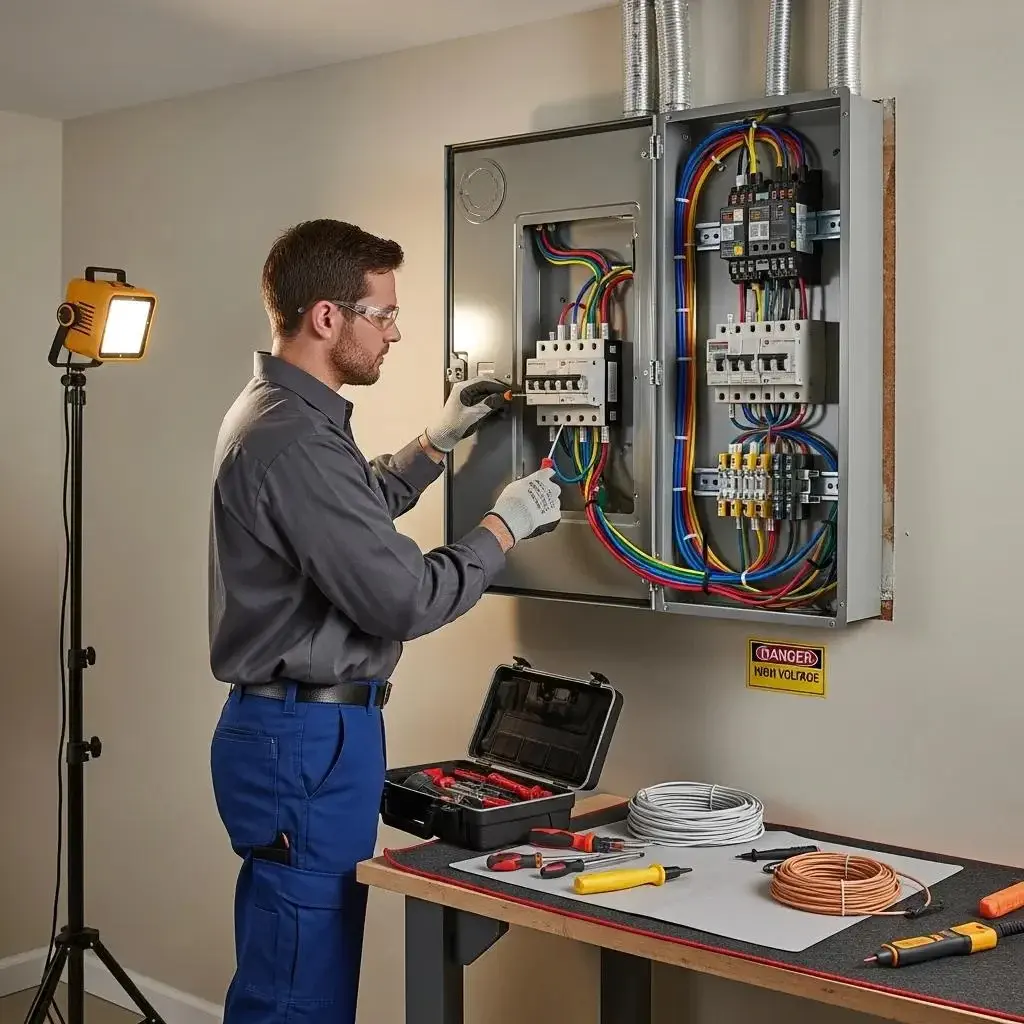
Panel upgrades are a common add‑on during whole‑house rewires and have their own cost range depending on amperage, brand, meter or service disconnect changes, and required utility coordination. In Fresno, 100A replacements are generally cheaper, while 200A upgrades often need heavier service conductors, new breakers, and possibly meter swap fees that raise the total. Brand choice, subpanel additions, and labor for meter or mast work also affect price. An itemized panel comparison helps homeowners weigh initial cost against long‑term reliability and compatibility with modern safety devices.
Below is a comparison of common panel types, typical cost ranges, and when each upgrade is typically required.
| Panel Type | Typical Cost Range (Fresno) | Typical Use / When Required |
|---|---|---|
| 100A replacement | $1,000 – $2,500 | Older homes with low load; replacement only |
| 150A replacement | $1,500 – $3,000 | Moderate upgrades or small subpanel needs |
| 200A replacement | $2,500 – $6,000+ | Modern homes, EV chargers, significant load increases |
These ranges typically include labor, basic materials, and permit fees but may exclude meter or service disconnect work, which can add to the total. Electricians in Fresno Today install familiar manufacturer panels and provide written pricing that spells out what’s included and what’s optional.
What Are the Typical Electrical Panel Upgrade Costs?
Panel replacement estimates usually combine the breaker panel cost, labor to disconnect and install, permit fees, and basic materials; make sure these items are listed in any written quote. Expect higher material and labor costs for a 200A service because of heavier conductors and potential utility coordination; meter upgrades or mast replacement add fees when required by the utility. Some panel brands cost more but may offer long‑term reliability. Review itemized estimates to compare services like temporary power, permit handling, and cleanup.
Why Is Panel Upgrading Important for Whole-House Rewiring?
A proper panel ensures new branch circuits have correct breaker protection and that the system safely carries modern loads without nuisance trips or overheating. Higher‑amperage panels allow dedicated circuits for high‑demand appliances and EV chargers and provide space for AFCI and GFCI breakers required by current codes. Without an appropriately sized panel, new wiring can be limited by breaker capacity or unsafe distribution, undermining the benefits of a full rewiring. A correctly sized panel therefore ties safety, capacity, and future‑proofing together and is often essential for whole‑house rewires.
What Financing Options Are Available for Whole-House Rewiring in Fresno?
Financing helps spread the cost of larger electrical projects. Common options include home equity lines of credit (HELOCs), unsecured personal loans, contractor financing programs, and — where available — municipal or PACE offerings. Each option has trade‑offs: HELOCs typically offer lower rates but use your home as collateral, unsecured loans are faster but usually cost more, and contractor financing can provide flexible monthly payments though terms vary. When planning a rewiring budget, get multiple itemized estimates, set aside a contingency (about 10–15%) for unexpected issues, and compare APRs and repayment terms across offers. Having a written, itemized estimate makes financing applications easier and clarifies how much you need to borrow.
- Home equity / HELOC: Uses home equity to secure lower‑rate financing for large projects.
- Personal loan: Unsecured and quick, but typically higher interest.
- Contractor financing: Monthly payment plans or third‑party arrangements offered through some contractors.
Choose the financing that fits your credit profile, timeline, and comfort with risk, and compare offers carefully before committing. If you want financing tied to a contractor’s estimate, Electricians in Fresno Today can provide transparent quotes and discuss contractor financing options and next steps for a no‑risk estimate.
Which Loan and Financing Programs Support Electrical Upgrades?
Common categories are secured home equity options, unsecured personal loans, and contractor or third‑party financing programs; each has eligibility rules and cost implications. Home equity loans or HELOCs often require appraisal and lien placement but usually offer lower rates for larger projects. Unsecured personal loans are quicker but come with higher interest and shorter terms. Some contractors partner with third‑party lenders to offer monthly payment plans that ease cash flow without large upfront payments. Compare APRs, terms, and fees to pick the option that minimizes long‑term interest while meeting your project timing needs.
How Can Fresno Homeowners Plan for Rewiring Expenses?
Start by getting two to three written, itemized estimates that separate labor, materials, permit fees, and likely contingencies; that comparison reveals realistic costs and scope differences. Build a contingency buffer of about 10–15% for hidden issues like unknown knob‑and‑tube or degraded conduit. Schedule work during a time that minimizes disruption and allows for permit reviews and municipal inspections, and coordinate finish trades to avoid rework. Keep copies of inspection reports and permits for resale and insurance records, and only pursue financing after you have firm written pricing to support applications.
Following these budgeting and planning steps gives you a practical timeline and funding plan that aligns with professional estimates and inspection schedules, making the project more predictable and manageable.
Frequently Asked Questions
1. What should I look for when choosing an electrician for rewiring in Fresno?
Choose licensed electricians with residential rewiring experience. Verify insurance and bonding to protect you from liability, read reviews, and ask for references to confirm quality and reliability. Make sure the electrician knows local codes and permit processes — compliance is essential. Get multiple written quotes so you can compare scope, timelines, and pricing.
2. Are there any permits required for whole-house rewiring in Fresno?
Yes — whole‑house rewiring requires permits from the City of Fresno Building and Safety. Permits ensure work follows the National Electrical Code (NEC) and local standards. Most electricians handle permit applications, but confirm they will submit plans and schedule inspections. Municipal inspections at key stages add an important safety check.
3. How can I prepare my home for a rewiring project?
Clear areas where work will happen — attics, basements, and walls — so electricians can access spaces easily. Let your household know the timeline and possible power outages, and pick a time that minimizes disruption. If you expect major work, have a contingency plan for temporary living arrangements. Communicate with your contractor about access and staging so the job runs smoothly.
4. What are the risks of delaying a whole-house rewiring?
Delaying rewiring can increase safety risks like electrical fires, shocks, and system failures. Outdated wiring may not handle modern loads, causing frequent breaker trips and possible appliance damage. Delays can also hurt resale value and complicate insurance coverage. Address warning signs quickly to protect safety and functionality.
5. Can I do the rewiring myself, or should I hire a professional?
We strongly recommend hiring a licensed professional. Electrical work must meet code and involves hazards that can cause fire or injury if handled incorrectly. A licensed electrician has the training to install systems safely, obtain permits, and pass inspections. DIY rewiring risks safety issues and potential legal or insurance problems.
6. What financing options are available specifically for electrical upgrades?
Financing choices include HELOCs, unsecured personal loans, and contractor financing programs. HELOCs often offer lower rates but use your home as collateral; personal loans are faster but usually carry higher interest; contractor financing can provide convenient monthly payments but terms vary. Compare APRs, terms, and fees to find the best fit for your situation.
7. How can I ensure my rewiring project stays within budget?
Get multiple itemized estimates from licensed electricians and review them carefully. Include a contingency of about 10–15% for unexpected issues. Communicate budget limits to your contractor, avoid mid‑project scope changes when possible, and review progress and invoices regularly to prevent surprises.
DISCLAIMER This site is designed to assist homeowners in connecting with electrician service contractors. All electrical contractors are independent and this site does not warrant or guarantee any work performed. It is the responsibility of the homeowner to verify that the hired electrical service contractor furnishes the necessary license and insurance required for the work being performed. All persons depicted in a photo may be actors or models and not contractors listed on this site.