

Top Commercial Wiring Solutions for Businesses in Fresno
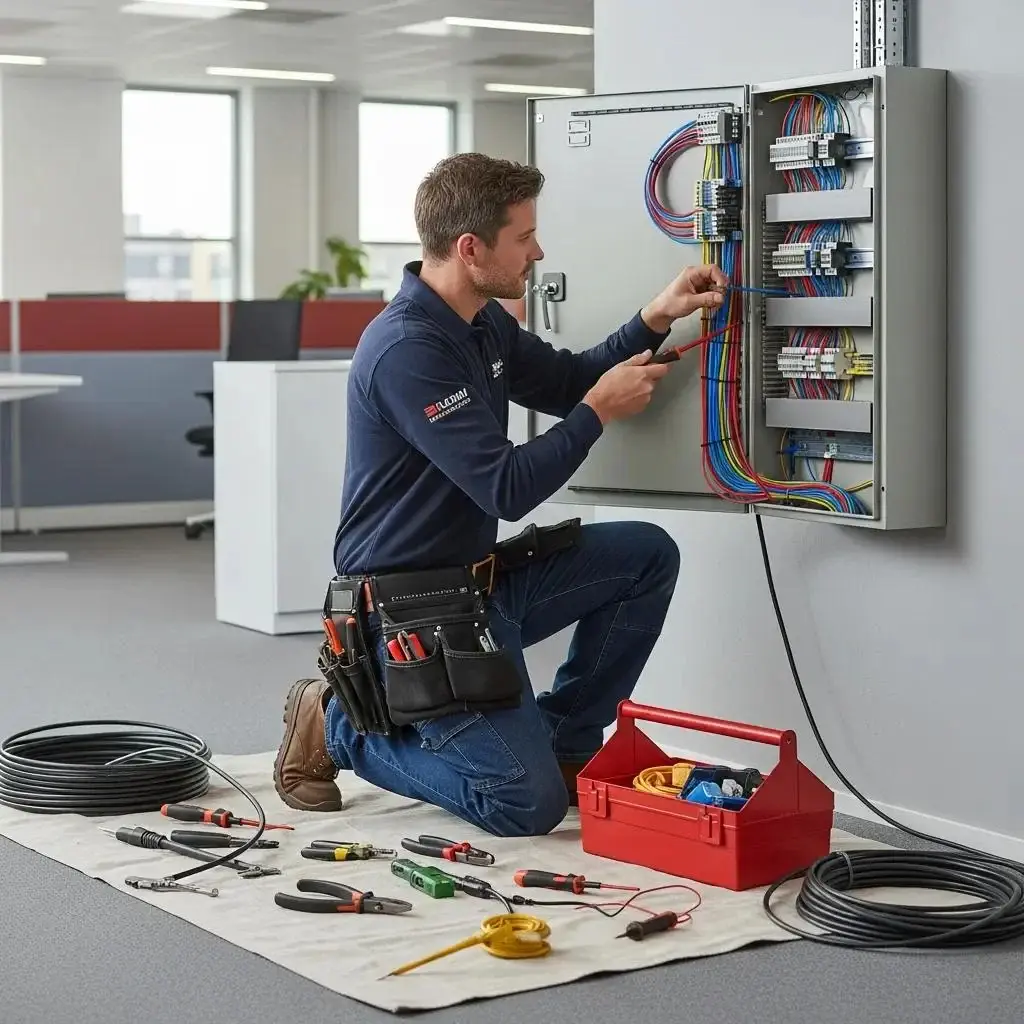
Commercial Wiring & Rewiring in Fresno — Reliable Electrical Solutions for Businesses
Commercial wiring and rewiring cover the planning, installation, and replacement of a building’s electrical systems across Fresno. Our goal is simple: keep power reliable, safe, and code-compliant so businesses can operate without surprise outages or safety risks. This piece breaks down practical wiring services for offices, retail spaces, restaurants, and light industrial sites, and shows how upgrades and maintenance cut fire risk, boost uptime, and lower operating costs. You’ll learn which wiring services matter for new builds and renovations, when rewiring should be prioritized, what preventive maintenance should include, and how to size backup power or EV charging. We also explain key compliance drivers—NEC, NFPA, and California Title 24—and what to expect from bids and estimates. Use the tables and checklists to compare scopes and costs, and follow the step-by-step priorities to plan cost-effective electrical work for your Fresno facility.
What Are the Key Commercial Wiring Services Offered in Fresno?
Commercial wiring services range from full-service electrical systems for new construction to tenant improvement wiring, structured data cabling, and lighting and power upgrades that keep facilities compliant and operational. These offerings combine capacity planning, conduit and conductor installation, breaker and panel coordination, and final commissioning so circuits handle expected loads and critical systems remain on protected feeds. Typical deliverables include single-line diagrams, permit-ready drawings, installed conduit and wiring, labeled panels, and inspector-ready test reports—items that reduce commissioning delays and unexpected costs. Knowing the core services helps facility managers pick the right package and set realistic timelines for inspections and handovers.
Common commercial wiring options Fresno businesses request include:
- New commercial building wiring: Complete electrical systems from service entrance through branch circuits to support tenant use and business operations.
- Tenant improvements and TI wiring: Rewiring and circuit changes for office reconfigurations, retail buildouts, or restaurant fit-outs.
- Structured cabling and data wiring: Cat5e/Cat6/Cat6a backbone and horizontal cabling to support VoIP, managed Wi‑Fi, and high-speed data needs.
- Lighting and fixture wiring: Power and control wiring for LED retrofits, occupancy sensors, and lighting control systems.
- Electrical panel installations and upgrades: Modern panels and breakers to increase capacity, safety, and future expandability.
How Does New Commercial Building Wiring Support Fresno Businesses?
New commercial wiring creates the electrical backbone a business needs to run reliably and grow. We start with load calculations and single-line diagrams to size service, metering, and distribution for HVAC, lighting, and equipment. Thoughtful conduit routing and spare capacity reduce disruption when tenants add circuits later, and close coordination with general contractors and inspectors keeps construction on schedule. Testing and commissioning—insulation resistance checks and circuit verification—confirm systems meet NEC and local inspection requirements before occupancy, smoothing handover and cutting down corrective work after move-in.
What Are the Benefits of Structured Cabling and Data Wiring for Offices?
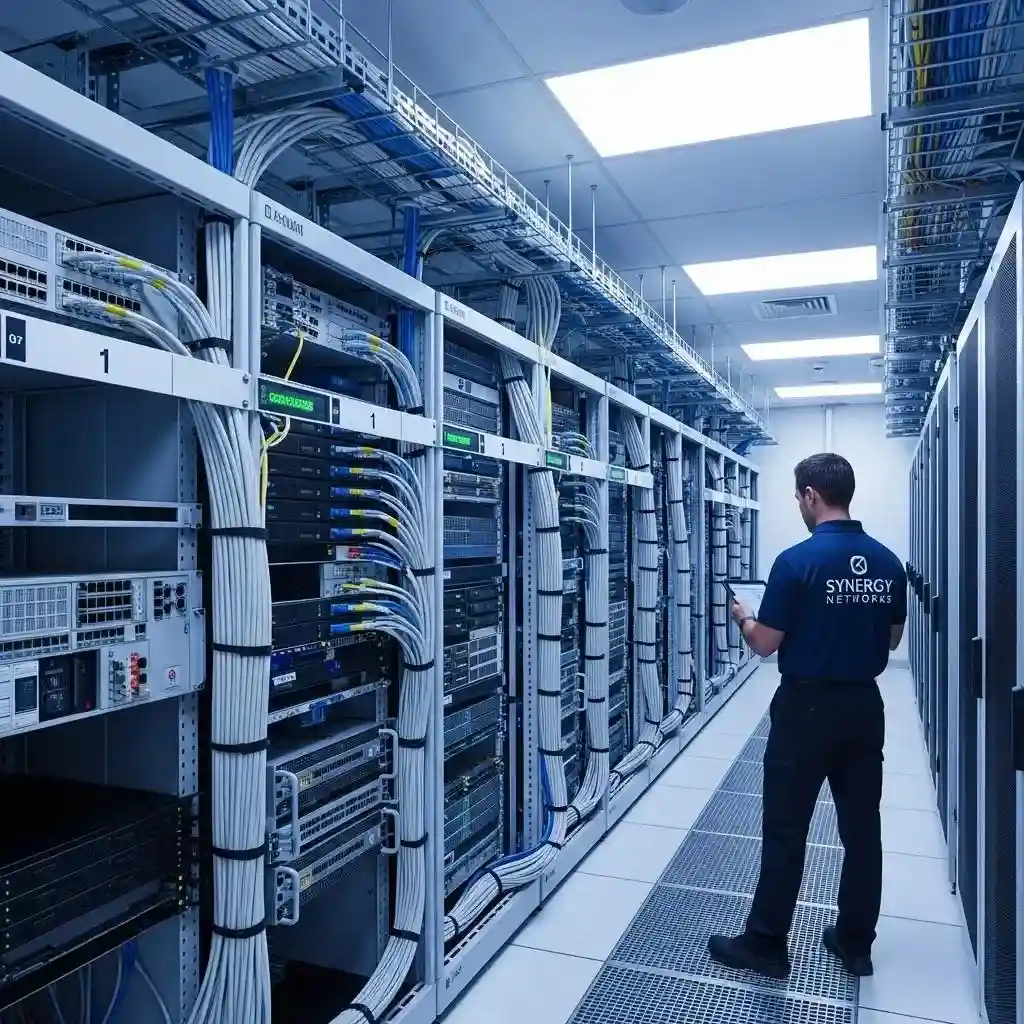
Structured cabling gives offices a reliable, modular network backbone—usually Cat5e, Cat6, or Cat6a with labeled patch panels—that makes moves, adds, and changes fast and predictable. Separating backbone and horizontal runs reduces troubleshooting time and improves performance for VoIP, managed Wi‑Fi, and cloud services, which lowers IT support costs and keeps staff productive. Proper placement, adherence to telecom standards, and future-proofing with extra pairs or fiber (OM4) speed future upgrades and reduce disruption. Installing structured cabling during initial wiring or TI work aligns data with power and lighting systems and simplifies future expansions.
| Service | Typical Use Cases (office, retail, restaurant) | Key Deliverables | Typical Timeline |
|---|---|---|---|
| New commercial building wiring | Large office towers, multi-tenant retail | Single-line diagrams, service installation, panel schedules, commissioning | 4–12 weeks (phased with construction) |
| Tenant improvements (TI) wiring | Office reconfigurations, retail fit-outs | Circuit mapping, outlet and lighting installation, permit-ready drawings | 1–6 weeks depending on scope |
| Structured cabling and data wiring | Corporate offices, call centers | Cat6 runs, patch panels, labeling, test reports | 1–3 weeks for typical floor |
Use the table to match service expectations and timelines to your construction schedule and inspection windows.
Comprehensive Commercial Wiring and Rewiring Services in Fresno
Rewiring and targeted upgrades replace aging conductors, improve grounding, and add capacity—measures that reduce fire risk, cut nuisance trips, and boost energy efficiency with modern components and controls. Rewiring removes degraded insulation and obsolete materials that increase fault potential; panel upgrades and properly sized breakers improve protective coordination and reduce overheating risks. Pairing panel work with LED retrofits and control strategies lowers electrical load and maintenance needs. Together, these upgrades protect people and equipment, reduce insurance exposure, and improve operational continuity by minimizing unplanned downtime.
Primary safety and efficiency gains include:
- Fire and shock risk reduction: Updated grounding, AFCI/GFCI protection, and modern wiring materials lower ignition and shock hazards.
- Operational reliability: Properly sized circuits and balanced loads cut nuisance trips and prevent equipment damage.
- Energy and maintenance savings: LED retrofits and intelligent controls reduce energy use and ongoing replacement costs.
Upgrades start with a prioritized assessment that flags critical circuits and high-risk areas for immediate remediation; the next section explains when rewiring becomes necessary.
When Is Business Electrical Rewiring Necessary in Fresno?
Rewiring is usually recommended when systems show persistent warning signs—frequent breaker trips, lights that flicker or dim under load, or visibly deteriorated wiring—because these indicate hidden faults that threaten safety and operations. Older panels without spare capacity or modern protective devices can lead to overloaded circuits and poor coordination, so phased upgrades help avoid wholesale shutdowns. Renovations or equipment additions that increase demand also trigger rewiring to meet load and code updates like NEC or Title 24. A commercial electrical inspection with thermal imaging and load analysis will prioritize immediate fixes and stage phased work so essential systems stay online during upgrades.
What Are the Advantages of Electrical Panel Upgrades and Energy-Efficient Lighting Retrofits?
Panel upgrades add circuit capacity, enable newer breaker tech, and improve labeling and coordination—reducing downtime and making future expansions simpler. Modern panels support submetering, surge protection, and integration with energy-management tools to monitor and control loads. LED retrofits with smart controls cut wattage and heat, lowering HVAC demand and often delivering quick payback; available rebates and lower maintenance speed up ROI. Together, panel and lighting upgrades increase safety, reduce utility costs, and provide a platform for smart building controls that sustain long-term efficiency.
What Commercial Electrical Repair and Maintenance Services Are Available in Fresno?
Commercial repair and maintenance offerings cover emergency repairs, scheduled inspections, thermal imaging, load testing, breaker and contactor replacement, lighting upkeep, and service contracts that provide routine monitoring and fast response. Preventive maintenance focuses on high-value equipment and critical circuits with checklists that catch loose connections, overloaded neutrals, or failing components before they cause outages. Rapid-response teams triage faults, restore essential circuits quickly, and provide temporary power or bypasses as needed to keep critical operations running. Regular maintenance extends equipment life, reduces failures, and keeps inspection and insurance records up to date.
Common maintenance and repair services include:
- Emergency troubleshooting and circuit restoration: Fast fault isolation and repairs to resume critical operations.
- Preventive inspections and thermal imaging: Routine scans to find hotspots and predict failures.
- Scheduled replacement of breakers, contacts, and relays: Lifecycle-based swaps to prevent unexpected outages.
These services form the backbone of a dependable maintenance program that minimizes downtime; the next section explains how emergency electricians limit business interruption.
How Do Emergency Commercial Electricians Minimize Business Downtime?

Emergency commercial electricians reduce downtime by quickly assessing conditions, isolating faults, and restoring power to critical circuits first while planning permanent repairs for lower-priority systems. The process follows triage—protect life-safety and mission-critical loads, implement temporary power or bypasses when needed, and stage parts and crews for efficient repair—so refrigeration, point-of-sale, or production lines can resume fast. Close coordination with on-site managers and other contractors speeds safe restoration, and NEC/local inspection requirements guide temporary measures. The goal: stabilize operations, document actions for permanent fixes, and limit revenue loss during outages.
What Does Regular Commercial Electrical System Maintenance Include?
Routine commercial electrical maintenance includes visual inspections, torque checks on bus and terminal connections, thermal imaging to find hot spots, insulation resistance testing, ground continuity checks, and functional testing of protective devices. Frequencies range from monthly visual checks for high-use equipment to annual thermal imaging and thorough panel inspections; life-safety circuits often receive more frequent attention. A documented checklist helps facilities managers schedule replacements, track condition, and preserve compliance records for insurers and authorities. Consistent maintenance lowers the risk of catastrophic failure and keeps systems within manufacturer and code expectations.
| Maintenance Task | Description | Recommended Frequency |
|---|---|---|
| Thermal imaging | Identify hotspots in panels and buswork | Annual or after load changes |
| Connection torque checks | Ensure tight, low-resistance connections | Annually or per OEM guidance |
| Protective device testing | Verify breaker and relay operation | Annually or per device rating |
Use this schedule as a starting point for preventive maintenance planning and resource allocation.
Which Specialized Commercial Electrical Solutions Meet Fresno’s Business Needs?
Specialized solutions for Fresno businesses include commercial backup generators, EV charging infrastructure, industrial control wiring, kitchen- and equipment-specific services, and energy-management systems tailored to operational needs. Backup power sizing focuses on critical loads—emergency lighting, refrigeration, security, and production—while EV charging installs consider load sharing, panel capacity, and parking layouts for fleets or employee charging. Industrial clients often require control wiring and motor-starter coordination with custom panels and overload protection. Knowing these options helps businesses choose resilient, scalable electrical solutions.
- Load sizing and prioritization for backup generators and ATS selection
- Electrical infrastructure upgrades required to support EV charging installations
- Industry-specific wiring for kitchens, manufacturing controls, or higher-voltage equipment
These considerations lead to a step-by-step installation process to ensure specialized systems meet performance and code requirements.
How Are Commercial Backup Generators and EV Charging Stations Installed?
Installing commercial generators and EV chargers follows a clear workflow: site survey and load calculation, permitting and utility coordination, equipment selection and placement, electrical service and conduit installation, then testing and commissioning with interconnection checks. Load calculations set generator size and transfer switch type; EV installs require panel capacity analysis, conduit runs, and possible transformer or panel upgrades for multiple chargers. Coordinating permits and utility interconnection avoids commissioning delays. Final testing and documentation provide baseline records for maintenance and warranty support.
What Are Fresno’s Electrical Code Compliance Requirements for Businesses?
Fresno businesses must meet the National Electrical Code (NEC) and NFPA standards, and follow California Title 24 for lighting and controls; local city or county permitting and inspection enforce those rules. NEC covers grounding, conductor ampacity, protective devices, and life‑safety circuits while NFPA addresses fire protection and emergency systems. Title 24 sets energy requirements for lighting controls, occupancy sensors, and power-density allowances in commercial spaces. Keeping permit-ready drawings, as-built records, and test reports streamlines inspections and helps demonstrate compliance during audits or remodels.
| Regulation/Standard | Applicability (facility type) | Required Action/Documentation |
|---|---|---|
| NEC (National Electrical Code) | All commercial facilities | Compliant design, calculations, and inspection sign-off |
| NFPA (fire and life-safety) | Buildings with egress and emergency systems | Fire alarm and emergency power coordination documentation |
| California Title 24 | Commercial lighting and controls | Lighting schedules, control strategies, and compliance forms |
This table helps prioritize standards and documentation during planning and permitting.
How Does Electricians in Fresno Today Ensure Quality and Compliance in Commercial Wiring?
Electricians in Fresno Today follows licensed technician practices, strict NEC and NFPA adherence, and documented commissioning procedures so systems are safe and inspection-ready. Our quality control starts with design reviews and load calculations, continues through inspected installations using dependable brands like Siemens, Leviton, and Philips when appropriate, and finishes with testing, labeling, and handover documentation. We also emphasize transparent pricing and 24/7 emergency readiness—combining preventive planning with rapid response to reduce business risk. These steps turn technical standards into reliable, auditable installations for local businesses.
What Certifications and Standards Guide Our Commercial Electrical Services?
Our work follows NEC and NFPA guidance for safety and wiring methods, and Title 24 for energy-related requirements like lighting controls—forming the baseline for compliant design and installation. Licensed electricians and contractor licensing are confirmed during bidding and permitting to ensure qualified personnel handle your project and interact with inspectors. Deliverables such as single-line diagrams, panel schedules, test reports (insulation resistance and functional testing), and commissioning checklists provide documented proof of compliance for authorities having jurisdiction. Together, these standards and records reduce rework and inspection delays.
How Do We Incorporate Smart Building Technologies and Energy Management?
We integrate smart building tech by combining lighting controls, occupancy sensors, submetering, and building automation systems (BAS) with the electrical distribution to optimize energy and enable remote monitoring. Smart lighting retrofits (Philips or compatible control gear) can network occupancy and daylight sensors to cut energy and allow zoned scheduling. BAS and metering let facilities managers track loads, detect faults remotely, and use demand-response strategies to lower peak charges. These measures improve efficiency and provide the data needed to validate ROI on upgrades.
What Should Fresno Businesses Know About Commercial Electrical Service Costs and Estimates?
Commercial electrical costs depend on scope, materials, labor, permits, access difficulty, and required testing. Estimates come from site visits, load calculations, and a line-item proposal that clarifies scope and contingencies. Transparent proposals separate materials (panels, conduit, conductors), labor, permit fees, and any phasing or temporary power needs so you can compare bids. Unexpected conditions—concealed damage or hazardous materials—can change costs, so including contingencies and staged pricing helps manage budget risk. Understanding these drivers supports decisions about phased upgrades, financing for retrofits, or prioritizing critical circuits.
| Service | Typical Scope | Typical Cost Range (Fresno) | Time to Complete |
|---|---|---|---|
| Panel upgrade (commercial) | Replace main or subpanel, breakers, labeling | $3,000–$12,000 | 1–5 days |
| Lighting retrofit (LED) | Remove fixtures, install LED, controls | $2,000–$20,000+ | 1 day–3 weeks |
| Structured cabling (per floor) | Cat6 runs, patch panels, testing | $1,500–$10,000 | 1–3 weeks |
These local benchmarks are rough guides—exact pricing depends on site specifics, permitting, and access and should be confirmed with a site-based estimate.
How Are Commercial Electrical Installation and Rewiring Costs Determined?
Costs reflect material pricing (panels, conduit, cabling), labor hours for installation and testing, permit/inspection fees, and job complexity driven by access, phasing, and safety needs. Hidden costs can include hazardous material abatement, restricted working hours that require overtime, or temporary power to avoid shutting down critical operations. A thorough site survey with photos, load calculations, and a scope matrix produces accurate, line-item estimates that reduce surprises. Phasing work or prioritizing critical circuits lets businesses spread costs while addressing high-risk items first.
Do Electricians in Fresno Today Offer Free Estimates and Transparent Pricing?
Electricians in Fresno Today stresses transparent pricing and delivers detailed proposals based on a site visit and load analysis, with line-item breakdowns and clear exclusions. While promotional details vary, you should expect estimates listing materials, labor, permit fees, and recommended contingencies so bids are comparable. When reviewing proposals, confirm timelines, warranty terms, and commissioning deliverables to ensure testing and documentation for inspections are included. Clear, documented estimates reduce scope creep and make budgeting for phased or full rewires easier.
- Request a site-based assessment: A visual inspection and load calculation produce the most accurate estimate.
- Ask for line-item proposals: Compare materials, labor, permits, and contingencies across bids.
- Confirm documentation deliverables: Ensure commissioning, labeling, and test reports are included.
Following these steps helps businesses get transparent, comparable bids that support both immediate fixes and longer-term electrical planning.
Frequently Asked Questions
What are the signs that my commercial electrical system needs rewiring?
Look for frequent breaker trips, lights that flicker or dim under load, burning smells, or visible wear on wiring insulation. Outdated panels with no spare capacity or equipment upgrades that increase demand are also common triggers for rewiring. Regular inspections catch problems early so you can plan safe, code-compliant repairs.
How can businesses ensure compliance with local electrical codes?
Work with licensed electricians who know the NEC, NFPA standards, and California Title 24. Keep permit-ready plans, inspection reports, and as-built drawings on file, and schedule regular inspections when making changes. Good documentation and qualified contractors make compliance straightforward and reduce delays at inspection.
What factors influence the cost of commercial electrical services?
Cost drivers include scope of work, materials, labor rates, permits, site access, and testing requirements. Extra costs may come from concealed damage, hazardous-material abatement, or the need for temporary power. A site survey and detailed estimate help you understand and manage these variables.
What is the importance of preventive maintenance for commercial electrical systems?
Preventive maintenance stops small issues from becoming major failures. Routine inspections, thermal imaging, and protective-device testing extend equipment life, reduce downtime, and keep records current for insurers and inspectors. A proactive maintenance plan is one of the best ways to protect operations and control costs.
How do energy-efficient upgrades impact operational costs?
Energy-efficient upgrades—like LED retrofits and modern panels—cut energy use and maintenance expenses, often producing immediate utility savings and qualifying for rebates. Over time, these investments typically deliver strong ROI and lower total cost of ownership for building systems.
What should businesses consider when planning for backup power solutions?
Consider your critical loads, generator sizing, and whether an automatic transfer switch (ATS) is required. A detailed load analysis ensures the backup system supports essential operations during outages. Also account for permitting, site prep, and ongoing maintenance when planning a generator install.
How can businesses benefit from smart building technologies?
Smart building tech improves energy efficiency, operational control, and remote monitoring. Integrating lighting controls, occupancy sensors, and energy management systems reduces waste, simplifies maintenance, and produces data that supports smarter decisions and lower operating costs.
DISCLAIMER This site is designed to assist homeowners in connecting with electrician service contractors. All electrical contractors are independent and this site does not warrant or guarantee any work performed. It is the responsibility of the homeowner to verify that the hired electrical service contractor furnishes the necessary license and insurance required for the work being performed. All persons depicted in a photo may be actors or models and not contractors listed on this site.