

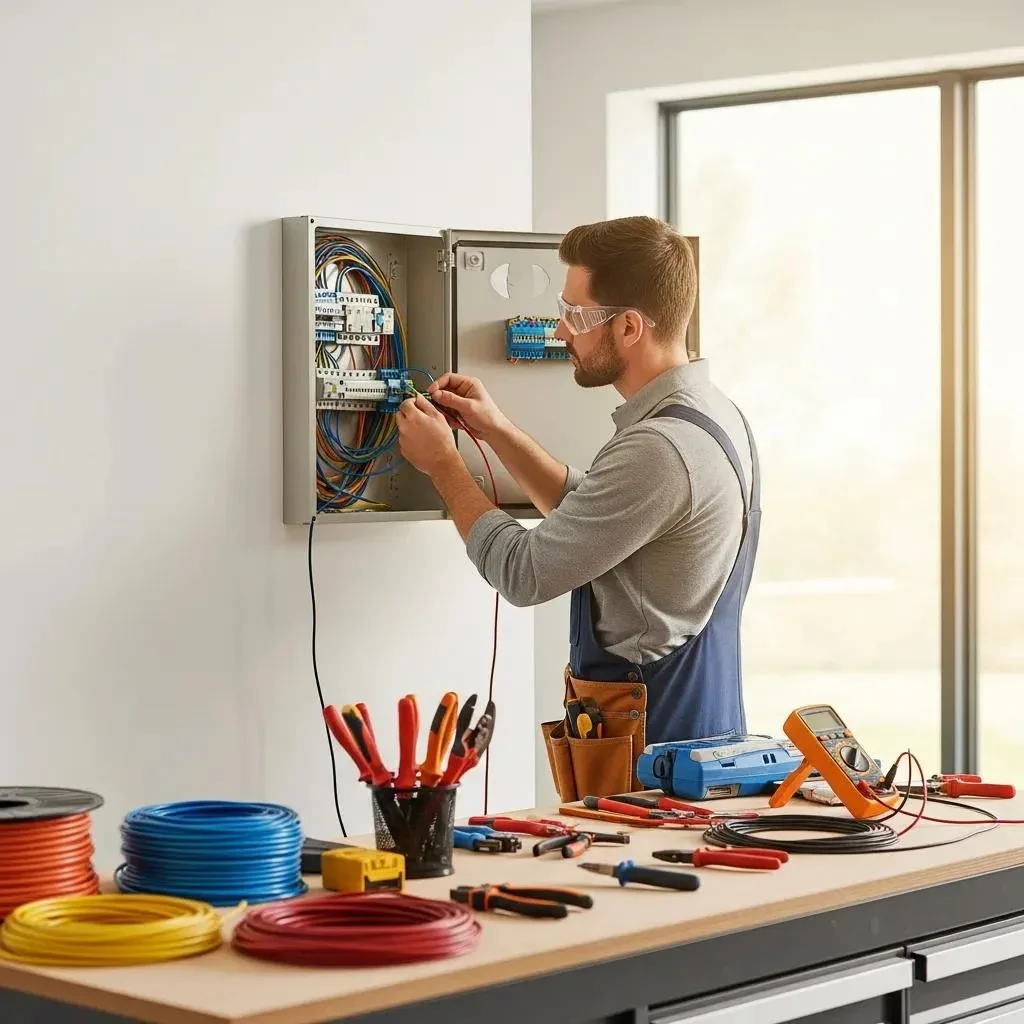
When it comes to electrical systems in your home, understanding the differences between whole home rewiring and partial rewiring is crucial for ensuring safety and functionality. This article will explore the costs, safety considerations, and decision factors involved in choosing between these two options. Many homeowners face the dilemma of whether to invest in a complete rewiring of their home or to opt for a more limited approach. By examining the benefits and drawbacks of each method, you can make an informed decision that best suits your needs. We will cover essential topics such as costs, safety implications, associated services, and the overall disruption and timeline of the rewiring process.
Understanding Costs
The costs associated with electrical rewiring can vary significantly based on the extent of the work required. Whole home rewiring generally ranges from $6 to $10 per square foot, while partial rewiring can cost between $500 to $4,000 or more, depending on the specific areas being addressed. Factors affecting these costs include the size of the home, the complexity of the existing wiring, and the materials used.
To provide a clearer comparison, here is a breakdown of the costs associated with both options:
This table illustrates the financial implications of each rewiring option, helping homeowners to budget accordingly.
Safety Considerations
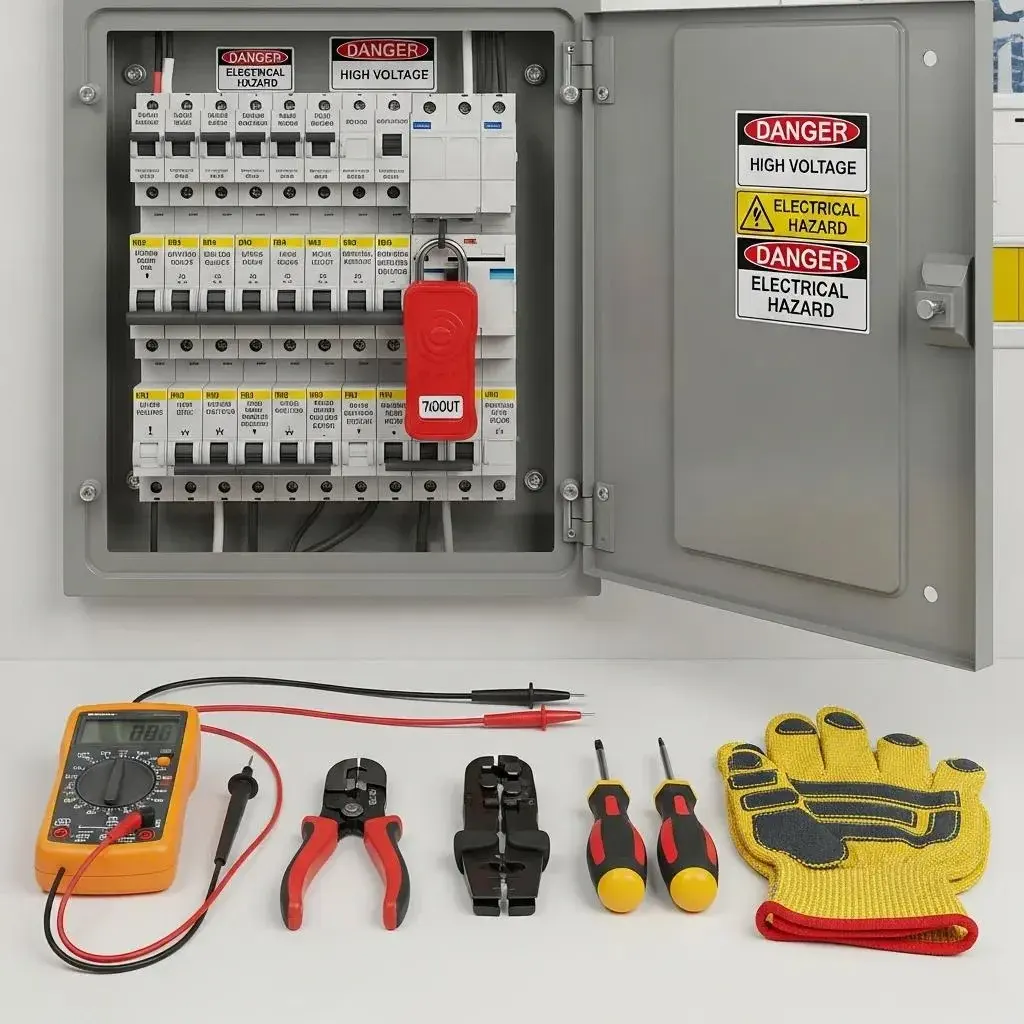
Safety is a paramount concern when it comes to electrical systems. Outdated wiring can pose significant risks, including electrical fires and electrocution. Approximately 51,000 residential electrical fires occur each year in the U.S., making it essential to ensure that your home meets current safety standards. Whole home rewiring not only addresses existing issues but also brings your electrical system up to code, enhancing overall safety.
Engaging a licensed electrician is crucial in this process. They can assess your current wiring and recommend the best course of action to mitigate safety risks. Their expertise ensures compliance with local building codes and standards, providing peace of mind for homeowners.
Associated Services
In addition to rewiring, several associated services can enhance your home’s electrical safety and efficiency. These services include:
- Electrical Panel Upgrades: Ensuring your panel can handle modern electrical loads.
- Surge Protection Installation: Protecting your devices from voltage spikes.
- GFCI/AFCI Testing and Replacement: Ensuring ground fault and arc fault circuit interrupters are functioning correctly.
These services complement rewiring efforts and contribute to a safer and more efficient electrical system.
Disruption and Timeline
The timeline and disruption caused by rewiring can vary significantly between whole home and partial rewiring. Whole home rewiring typically takes 5-10 days, depending on the size of the house and the complexity of the job. This process can be quite disruptive, as it may require access to all areas of the home.
In contrast, partial rewiring is generally less disruptive and can often be completed within 1-3 days. Homeowners may find this option more appealing if they are concerned about the inconvenience of having their entire home rewired.
Decision Factors
When deciding between whole home and partial rewiring, several factors should be considered:
- Age of the Home: Older homes may require complete rewiring to meet modern safety standards.
- Existing Wiring Condition: If the current wiring is significantly outdated or damaged, whole home rewiring may be necessary.
- Need for Modern Appliances: Homes with new appliances may require upgraded wiring to handle increased electrical loads.
Evaluating these factors can help homeowners make a more informed decision regarding their rewiring needs.
What Is the Difference Between Whole Home and Partial Rewiring?
Whole home rewiring involves replacing all the electrical wiring in a house, ensuring that every circuit is up to code and safe. This option is often recommended for older homes with outdated wiring systems. On the other hand, partial rewiring focuses on specific areas of the home that may need immediate attention, such as rooms with frequent electrical issues or areas where new appliances are being installed.
Defining Whole Home Rewiring and Its Benefits
Whole home rewiring provides several benefits, including enhanced safety, improved energy efficiency, and increased property value. By replacing old wiring, homeowners can reduce the risk of electrical fires and ensure that their electrical system can support modern appliances and technology. This comprehensive approach also allows for the installation of updated safety features, such as circuit breakers and surge protectors.
Understanding Partial Rewiring and When It Applies
Partial rewiring is typically applied in situations where only specific areas of the home require attention. This option is often more cost-effective and less disruptive than whole home rewiring. Homeowners may choose partial rewiring if they are experiencing issues in certain rooms or if they are upgrading appliances that require additional electrical capacity.
What Are the Signs You Need Electrical Rewiring?
Several common electrical issues may indicate the need for rewiring:
- Frequent Circuit Breaker Trips: This can signal that the wiring is overloaded or damaged.
- Flickering Lights: Inconsistent lighting can indicate wiring problems.
- Burning Smells or Discoloration: These are serious signs of electrical issues that require immediate attention.
Common Electrical Issues Indicating Rewiring Needs
Homeowners should be vigilant for signs of electrical problems, such as:
- Old or Frayed Wiring: This can pose a fire hazard.
- Inadequate Outlets: Insufficient outlets can lead to overloading circuits.
- Outdated Electrical Panels: Older panels may not meet current safety standards.
Addressing these issues promptly can prevent more significant problems down the line.
How Home Electrical Safety Inspections Identify Rewiring Requirements
Regular electrical safety inspections are essential for identifying potential rewiring needs. During these inspections, licensed electricians assess the condition of the wiring, check for compliance with current codes, and identify any safety hazards. Homeowners should schedule these inspections periodically to ensure their electrical systems remain safe and functional.
How Much Does Electrical Rewiring Cost in Fresno?
In Fresno, the cost of electrical rewiring can vary based on several factors, including the size of the home and the extent of the work required. As mentioned earlier, whole home rewiring typically costs between $6 and $10 per square foot, while partial rewiring can range from $500 to $4,000 or more.
Cost Factors for Whole Home Rewiring
Several factors can influence the cost of whole home rewiring, including:
- Home Size: Larger homes will naturally incur higher costs due to the increased amount of wiring needed.
- Wiring Type: The choice of materials can affect overall costs.
- Labor Costs: Rates charged by electricians can vary based on experience and location.
Understanding these factors can help homeowners budget effectively for their rewiring projects.
Cost Savings and Considerations for Partial Home Rewiring
While partial rewiring can be more cost-effective, homeowners should consider the long-term implications. If multiple areas of the home require rewiring, it may be more economical to invest in whole home rewiring upfront. Additionally, partial rewiring may not address underlying issues that could lead to future problems.
What Is the Typical Process and Timeline for Rewiring Services?
The typical process for rewiring services involves several key steps:
- Initial Assessment: A licensed electrician evaluates the current wiring and identifies areas needing attention.
- Planning: The electrician develops a plan for the rewiring project, including timelines and costs.
- Execution: The rewiring is carried out, with minimal disruption to the homeowner’s daily life.
- Final Inspection: After completion, the work is inspected to ensure compliance with safety standards.
How to Choose the Right Licensed Electrician for Rewiring Services?

Choosing the right licensed electrician is crucial for a successful rewiring project. Homeowners should consider the following factors:
- Experience and Credentials: Look for electricians with a proven track record in rewiring projects.
- References and Reviews: Check reviews and ask for references to gauge the electrician’s reliability.
- Licensing and Insurance: Ensure the electrician is properly licensed and insured to protect against potential liabilities.
Qualifications and Credentials to Look For in Fresno Electricians
When selecting an electrician in Fresno, homeowners should verify the following qualifications:
- State Licensing: Ensure the electrician holds a valid state license for electrical work.
- Insurance Coverage: Confirm that the electrician has liability insurance to cover any potential damages.
- Certifications: Look for additional certifications that demonstrate expertise in electrical safety and code compliance.
Questions to Ask Before Scheduling Electrical Rewiring
Before scheduling electrical rewiring, homeowners should ask potential electricians the following questions:
- What is your experience with rewiring projects?
- Can you provide references from previous clients?
- What is your estimated timeline for completion?
- What warranties do you offer on your work?
These questions can help ensure that homeowners choose a qualified professional for their rewiring needs.
What Are the Safety and Compliance Standards for Electrical Rewiring?
Electrical rewiring must adhere to strict safety and compliance standards to ensure the safety of the home and its occupants. These standards are set by local building codes and the National Electrical Code (NEC). Homeowners should work with licensed electricians who are familiar with these regulations to ensure that their rewiring projects meet all necessary requirements.
Updated California Electrical Codes for 2024-2026
As of 2024, California has updated its electrical codes to enhance safety and efficiency. Homeowners should be aware of these changes, as they may impact their rewiring projects. Key updates include stricter requirements for circuit breakers, grounding systems, and energy efficiency standards.
Importance of Electrical Safety Inspections After Rewiring
After completing a rewiring project, it is essential to conduct an electrical safety inspection. This inspection ensures that all work has been completed to code and that the electrical system is safe for use. Regular inspections can help identify any potential issues early, preventing costly repairs and ensuring the safety of the home.
DISCLAIMER This site is designed to assist homeowners in connecting with electrician service contractors. All electrical contractors are independent and this site does not warrant or guarantee any work performed. It is the responsibility of the homeowner to verify that the hired electrical service contractor furnishes the necessary license and insurance required for the work being performed. All persons depicted in a photo may be actors or models and not contractors listed on this site.